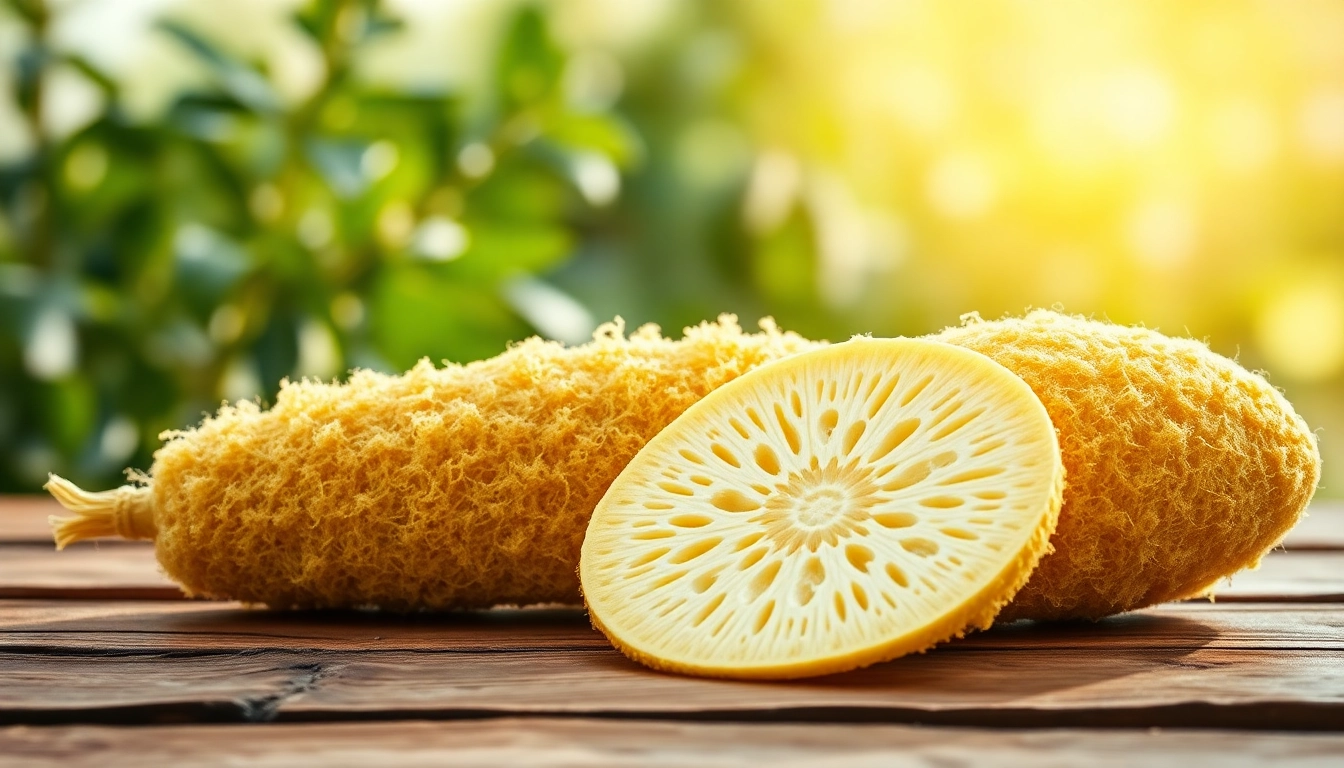
Understanding Raw Loofah and Its Benefits
What is Raw Loofah?
Raw loofah, often mistaken for a sponge, is derived from the fibrous interior of mature loofah gourds, which belong to the cucumber family. This natural exfoliant is recognized for its unique texture and versatility in everyday uses, particularly in skincare. Unlike cosmetic sponges, raw loofah is a sustainable and biodegradable product, making it an eco-friendly choice for those interested in maintaining not only personal well-being but also environmental health. To learn more about this remarkable natural product, explore how to use raw loofah effectively in your routines.
Key Benefits of Using Raw Loofah
Raw loofah offers a myriad of benefits, primarily due to its exfoliation properties. Regular use can help remove dead skin cells, promoting smoother and healthier skin. This natural process also aids in unclogging pores, which can reduce the occurrence of acne and enhance skin tone. Furthermore, loofah promotes blood circulation when used during bathing, providing additional benefits such as better oxygenation of skin cells.
Another fantastic benefit of raw loofah is its sustainability. As a plant-based product, it’s completely biodegradable, which contrasts sharply with synthetic sponges that contribute to environmental pollution. Raw loofah is also hypoallergenic, making it suitable for a diverse range of skin types, even those that are sensitive.
Nutritional Facts and Skin Use
While raw loofah primarily serves external skincare needs, it also contains beneficial compounds when looked at nutritionally. Loofah is rich in dietary fiber, vitamins C and A, and other antioxidants that can contribute to skin health when consumed. However, more notable is its structural form, allowing it to function as an excellent exfoliator when applied to damp skin. Incorporating loofah into your personal care routine not only follows wellness practices but pairs well with other skin-friendly products for enhanced results.
How to Prepare Raw Loofah for Use
Cleaning and Storing Raw Loofah
Before using raw loofah, proper cleaning is essential. First, rinse the loofah under running water to remove any dirt or impurities. It’s advisable to soak it in a solution of warm water and mild soap for around 10-15 minutes. After soaking, scrub gently, then rinse thoroughly with clean water. To maintain hygiene, it’s crucial to allow the loofah to dry completely between uses. Store it in a well-ventilated area, ideally in a dry place away from moisture to prevent mold growth.
How to Soak and Rehydrate Loofah
For a soft, more pliable loofah texture, soaking is necessary. Submerge your raw loofah in warm water for about 20-30 minutes. This process allows it to absorb moisture, expanding and softening the fibers. Following this, you can either set it aside for later use or proceed directly to application. Rehydrating loofah can reduce abrasiveness and provide a gentler effect on the skin, which is particularly beneficial for sensitive areas.
Preparing Loofah for Different Applications
Before using raw loofah, it’s wise to define its application. For skincare, using it in the shower with your favorite body wash can enhance exfoliation. If utilizing it for cleaning purposes in eco-friendly solutions, consider cutting the loofah into smaller pieces. This segmentation allows easier handling while maximizing cleaning surfaces. Always ensure the loofah is appropriately rinsed after use to maintain its integrity for future sessions.
How to Use Raw Loofah in Your Skincare Routine
Exfoliation Techniques with Raw Loofah
The primary role of raw loofah in skincare is exfoliation. To do this effectively, wet your skin and the loofah. Apply your preferred body wash or soap directly on the loofah, gently scrubbing in circular motions across your skin. Focus on areas that tend to be rough, such as elbows, knees, and heels. After exfoliating, rinse thoroughly with clean water to remove any soap residue and dead skin particles. Start with 1-2 times a week to prevent over-exfoliation and adjust based on your skin’s response.
Incorporating Loofah in Bathing Rituals
Incorporating loofah into your bathing rituals elevates the overall experience. Use it to exfoliate your skin while simultaneously allowing the texture to provide a soothing sensation. Consider creating a spa-like atmosphere by combining loofah use with essential oils in the water or using shower gels enriched with natural ingredients. Experiment by blending loofah use with exfoliating scrubs to intensify results. Taking your time while bathing improves relaxation and skin health.
Best Products to Pair with Raw Loofah
When using raw loofah, pairing it with the right products can maximize its benefits. Opt for natural scrubs or body washes that contain ingredients like glycerin, which hydrates the skin while you exfoliate. Creams that feature shea butter or coconut oil can support moisture retention post-exfoliation. Avoid harsh cleansers, as these can counteract the benefits of loofah by irritating the skin.
Alternatives and Complementary Uses for Raw Loofah
Using Raw Loofah in Natural Cleaning
The versatility of raw loofah extends beyond the bathroom. Its natural fibers are excellent for cleaning surfaces without scratching. Cut loofah into smaller pieces for scrubbing dishes or counter area, and use a mixture of vinegar and water to enhance its cleaning properties. This method allows you to remain eco-conscious while eliminating bacteria and residues from surfaces, promoting a clean home environment without harsh chemicals.
Crafting with Raw Loofah: DIY Projects
Raw loofah also doubles as a unique crafting material. Artisans and hobbyists can utilize its fibrous structure to create decorative items, such as natural sponges or meaningful gifts. By slicing loofah and soaking it in dyes or paint, you can produce colorful decorations or even holiday ornaments. These DIY projects promote both creativity and sustainability, allowing individuals to express themselves using biodegradable materials.
Culinary Uses of Raw Loofah
Interestingly, raw loofah is edible at a younger stage, similar to zucchini or squash. When younger, it boasts a crunchy texture and can be cooked or eaten raw in salads. Rich in vitamins and fiber, this gourd can be a nutritious addition to meals. Cooking methods include stir-frying, steaming, or adding it to soups and stews. Incorporating young loofah into diets offers flavor and health benefits, proving the vegetable’s versatility beyond skincare.
FAQs About How to Use Raw Loofah
What is the best way to clean a raw loofah?
To clean a raw loofah, rinse it under running water to remove dirt, then soak it in warm, soapy water for 15 minutes before rinsing well. Allow it to dry completely afterward.
How often should I use raw loofah on my skin?
Using raw loofah 1-2 times a week is recommended to avoid over-exfoliation. Adjust based on your skin type and sensitivity.
Can I use raw loofah on sensitive skin?
Yes, but it’s advised to soak the loofah before use to soften it, which makes it gentler on sensitive skin. Always do a patch test first.
What are the signs that my loofah needs replacing?
Replace your loofah when it appears discolored, has a foul odor, or shows signs of mold. Regularly inspect it after each use for hygiene.
How can I incorporate loofah into my gardening?
Incorporate loofah into gardening by using the fibers as biodegradable mulch or in compost. They can improve soil quality by adding organic matter.