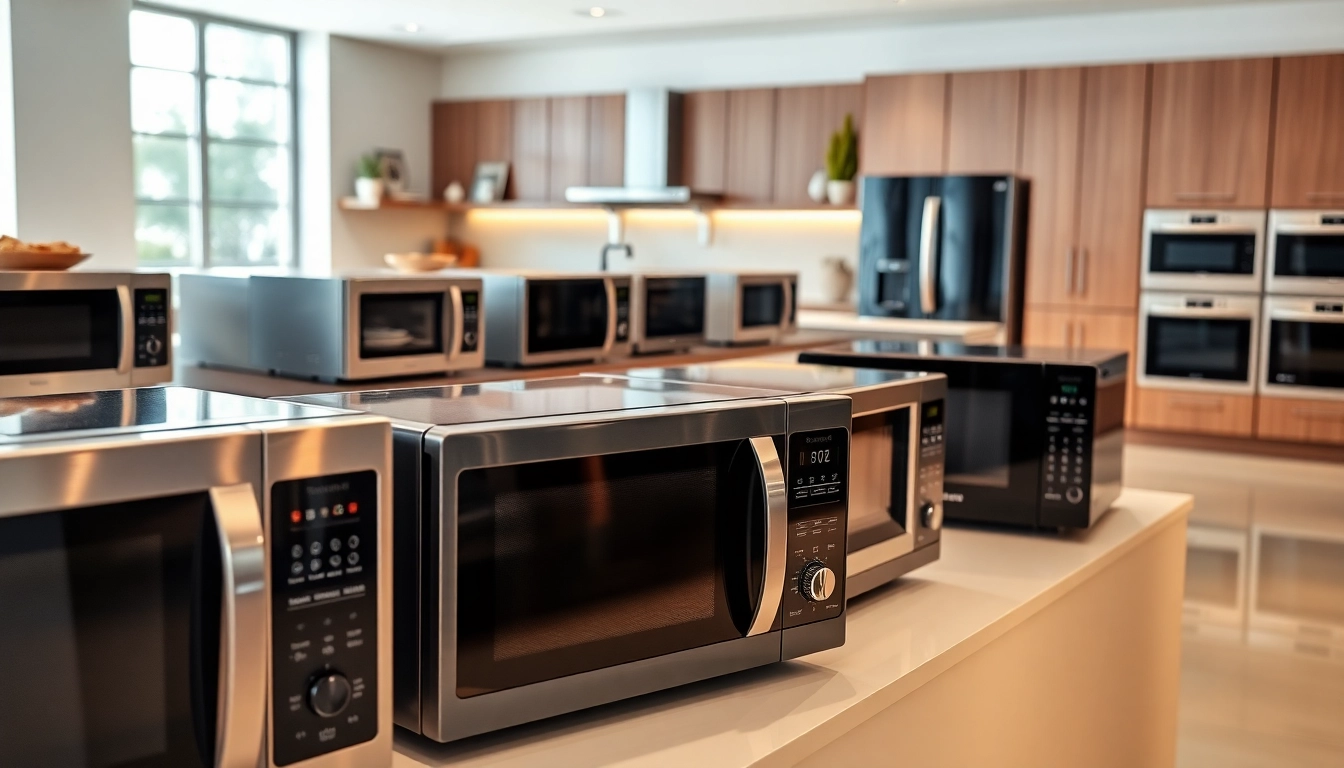
Introduction to Microwave Oven Sales
What is Microwave Oven Sales?
Microwave Oven Sales refer to the market activity involving the buying and selling of microwave ovens, which have become an essential kitchen appliance for millions of households worldwide. These sales encompass a wide range of models, styles, and features tailored to meet consumer demands. The growth in Microwave Oven Sales can be attributed to factors such as convenience, efficiency, and the ongoing evolution of technology aimed at enhancing cooking experiences.
Historical Context and Market Growth
The history of microwaves dates back to the 1940s when the first commercial microwave oven, the Radarange, was introduced. Initially, these appliances were large, expensive, and primarily used in commercial settings. Over the decades, advancements in technology led to more compact, affordable, and energy-efficient models becoming available for home use. Today, the microwave oven market has seen significant growth, driven by increasing consumer reliance on quick and convenient meal preparation methods.
Importance of Array of Options
The myriad of options available in the microwave oven market is crucial for catering to diverse customer preferences and cooking needs. From countertop models to built-in options, various capacities, wattages, and features—such as sensor cooking, convection functions, and smart technology—enable consumers to find appliances that suit their individual lifestyles and cooking habits. This variety fuels competition among manufacturers and offers consumers greater choice.
Market Dynamics Impacting Microwave Oven Sales
Current Trends in Consumer Preferences
Modern consumers are increasingly prioritizing convenience and energy efficiency in their kitchen appliances. There is a noticeable shift towards multifunctional devices that can perform multiple cooking tasks, such as steaming, roasting, and baking in addition to basic heating. Moreover, features like voice control and app connectivity are gaining traction, appealing to tech-savvy users who desire seamless integration with smart homes.
Seasonal Buying Patterns
Microwave Oven Sales often exhibit seasonal trends, with noticeable peaks during holiday seasons and major sale events such as Black Friday and Cyber Monday. Consumers are more likely to purchase appliances when they perceive greater value through discounts and promotional offers. Manufacturers and retailers can capitalize on these patterns by tailoring marketing strategies to align with seasonal events and consumer behavior.
Economic Factors Influencing Sales
The broader economic climate plays a significant role in shaping Microwave Oven Sales. Factors such as disposable income levels, inflation, and overall consumer confidence can directly impact purchasing decisions. During economic downturns, sales may slow as consumers become more cautious with spending. Conversely, when economic conditions improve, consumers are more likely to invest in new appliances, driving sales increases.
Key Features Driving Microwave Oven Sales
Technology and Energy Efficiency
Today’s consumers increasingly prioritize energy efficiency when selecting appliances. Innovative technologies, such as inverter cooking, allow for more even and efficient heating, reducing energy consumption. Models equipped with energy-saving modes and eco-friendly certifications appeal to eco-conscious buyers and can provide added value in terms of reduced utility bills over time.
Size and Capacity Considerations
Size and capacity are vital factors that influence consumer decisions when purchasing microwave ovens. Families may require larger models with higher wattages for faster cooking times, while individuals or couples might prefer compact options that fit limited kitchen space. Offering a diverse range of sizes and capacities ensures manufacturers can cater to different demographic groups and housing types.
Safety Features and Certifications
Safety is paramount when it comes to kitchen appliances. Consumers actively seek models that include robust safety features, such as child locks, automatic shut-off mechanisms, and safety certifications from recognized organizations. Highlighting these features can enhance consumer trust and make certain brands stand out in a crowded marketplace.
Marketing Strategies for Increasing Microwave Oven Sales
Effective Online Marketing Tactics
In the digital age, successful marketing strategies for microwave ovens often involve leveraging online platforms. Utilizing search engine optimization (SEO) techniques to improve visibility and reach target audiences is essential. Sponsored content, pay-per-click advertising, and partnership with influencers or cooking enthusiasts can help drive awareness and generate leads effectively.
Utilizing Social Media for Engagement
Social media serves as a powerful tool for engaging with consumers and showcasing product features. Brands can share recipes, usage tips, and testimonials to foster a sense of community around their products. Campaigns that encourage user-generated content, such as photos and reviews showing microwaves in action, can enhance brand loyalty and attract new customers.
In-Store Promotions and Displays
In-store promotions, such as free samples, demonstrations, and temporary discounts, can significantly impact consumer interest and drive sales. Attractive displays that highlight features and benefits can draw attention and guide consumers toward making purchasing decisions in physical retail locations. Collaborating with retailers to create enticing displays can amplify the visibility of specific models.
Conclusion and Future Outlook on Microwave Oven Sales
Predicted Industry Changes
As technology continues to advance, the microwave oven market is likely to undergo significant transformations. Future models may integrate artificial intelligence for smarter cooking experiences, including personalized cooking suggestions based on user preferences. Additionally, advancements in energy efficiency will likely become more pronounced, appealing to a growing number of environmentally conscious consumers.
Consumer Empowerment through Information
As consumers become more informed through reviews, online research, and access to specifications, they will demand higher transparency regarding product performance, warranty details, and environmental impact. Companies that prioritize quality information and genuine consumer engagement will likely see increased trust and loyalty.
Final Thoughts on Maximizing Value
In an ever-evolving market, the key to success in Microwave Oven Sales lies in understanding consumer behavior and preferences, adapting to market dynamics, and offering innovative, trustworthy solutions. Brands that leverage technology, effective marketing strategies, and consumer feedback will be well-positioned to thrive in a competitive landscape.
Frequently Asked Questions
1. What should I consider when buying a microwave oven?
Consider size, wattage, features like convection or sensor cooking, energy efficiency ratings, and safety certifications to find the best fit for your needs.
2. How do energy-efficient microwaves work?
Energy-efficient microwaves use advanced technologies, such as inverter cooking, to deliver consistent power levels and reduce cooking times, thereby saving energy.
3. Are there safety features I should look for?
Yes, look for features like child locks, automatic shut-off, and over-temperature protection to ensure safe operation in your kitchen.
4. How can I promote my microwave oven sales online?
Utilize SEO, social media marketing, content marketing, and email campaigns to effectively reach potential customers and drive sales online.
5. What trends are shaping the future of microwave ovens?
Key trends include increased technology integration, focus on energy efficiency, and greater consumer demand for multifunctional kitchen appliances.