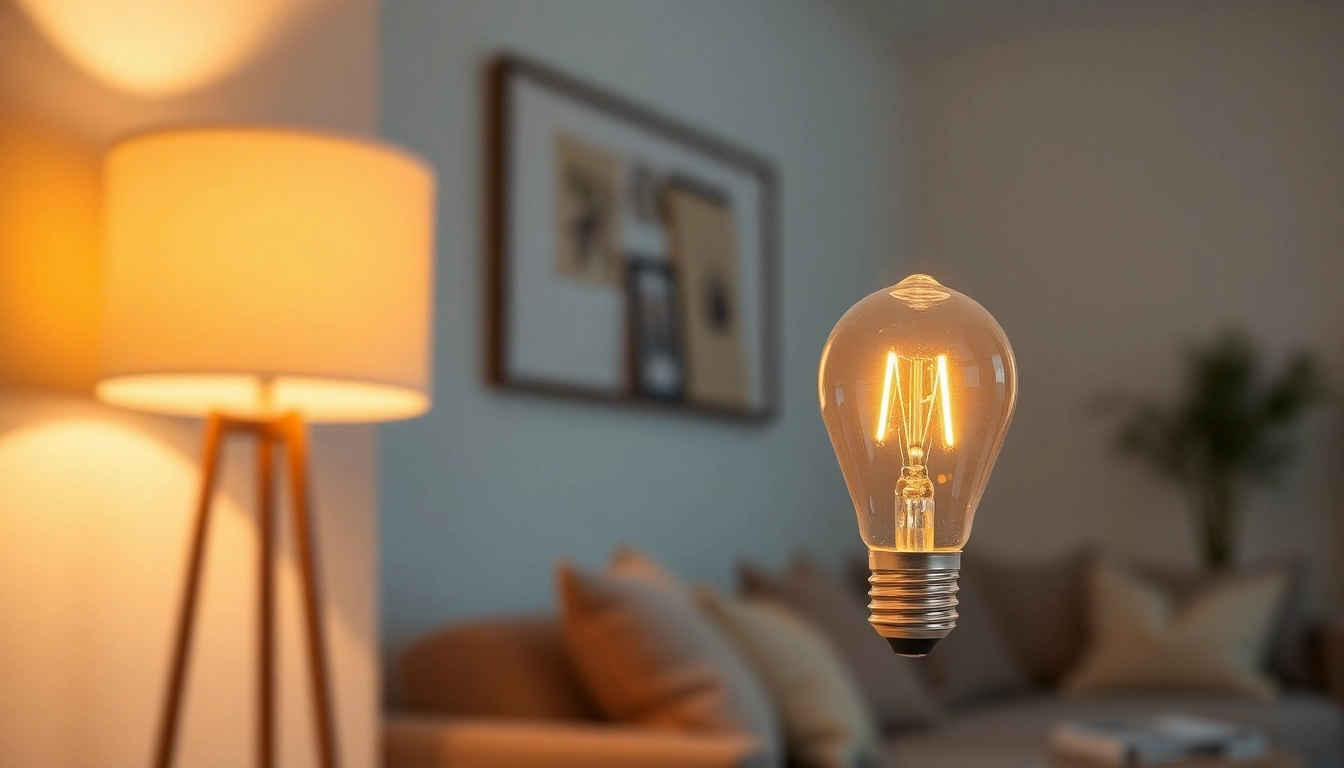
Introduction to What Is an A19 Bulb
Lighting plays a crucial role in creating ambiance, ensuring safety, and enhancing the aesthetics of any space. One of the most commonly used light bulbs in residential and commercial settings today is the A19 bulb. But what is an a19 bulb? This bulb is defined by its distinctive shape and size, which makes it suitable for a variety of fixtures. Understanding the characteristics, common uses, and benefits of A19 bulbs can help you make informed decisions for your lighting needs.
Definition and Characteristics
The term A19 refers to a specific bulb shape and size within the standard classification of light bulbs. The “A” stands for ‘arbitrary’, which indicates a pear-like shape, while the number ’19’ signifies the bulb’s diameter in eighths of an inch—making it approximately 2.375 inches wide at its widest point. A19 bulbs typically have a medium base (E26), making them compatible with most household fixtures.
One of the defining characteristics of A19 bulbs is their ability to produce a warm, inviting light which is often preferred in residential settings. The most common versions are incandescent, compact fluorescent (CFL), and light-emitting diode (LED) bulbs. Each type has its own set of features concerning energy efficiency, lifespan, and light output.
Common Uses
A19 bulbs serve a multiplicity of purposes due to their versatility. They are primarily utilized in:
- Table and Floor Lamps: A19 bulbs provide effective lighting for reading and relaxing, making them perfect for portable lamps.
- Ceiling Fixtures: They are commonly found in recessed lighting and pendant fixtures in kitchens, living rooms, and bedrooms.
- Wall Sconces: A19 bulbs can be elegantly paired with wall-mounted fixtures to enhance hallway or room lighting.
- Decorative Fixtures: Designers often use A19 bulbs in decorative fixtures to add visual interest while providing ample light.
Energy Efficiency Compared to Other Bulbs
When considering energy efficiency, A19 bulbs exhibit varied performance based on the type of technology employed:
- Incandescent A19: These bulbs are less efficient, converting only about 10% of energy into visible light and typically lasting around 1,000 hours.
- CFL A19: Compact fluorescent versions are significantly more efficient, using about 75% less energy and having an extended lifespan of up to 10,000 hours.
- LED A19: Light-emitting diodes are the most efficient of the three, using up to 80% less energy than incandescent bulbs and boasting lifespans of 15,000 to 25,000 hours.
This efficiency means that switching from incandescent A19 bulbs to LED A19 bulbs can significantly reduce your energy bills while benefiting the environment.
Technical Specifications of What Is an A19 Bulb
Size and Shape
A19 bulbs flaunt a standard size and shape that make them highly adaptable. As mentioned, the “A” in A19 indicates the shape, which resembles a pear. The bulb’s size—approximately 2.375 inches in diameter—makes it suitable for numerous fixtures, offering flexibility for both functional and decorative purposes.
Lumen Output Explained
Lumen measurement is a vital factor when deliberating what A19 bulb to choose. Lumen output indicates the amount of light a bulb emits. The following guidelines can help you gauge the brightness needed for various settings:
- Soft Ambient Lighting: 450 lumens (equivalent to a 40-watt incandescent)
- Moderate Lighting: 800 lumens (equivalent to a 60-watt incandescent)
- Bright Task Lighting: 1,100 lumens (equivalent to a 75-watt incandescent)
Selecting the right lumen output ensures you create the desired atmosphere while optimizing your energy consumption.
Wattage Options Available
A variety of wattage options exist for A19 bulbs, corresponding to their light output. Understanding wattage is crucial for energy efficiency:
- Incandescent A19 bulbs: Common wattage options range from 40 to 100 watts.
- CFL A19 bulbs: These typically require 10-23 watts, offering similar light levels to higher wattage incandescent bulbs.
- LED A19 bulbs: Wattage ranges from 8 to 15 watts, with these typically offering greater efficiency and longevity.
Choosing the Right What Is an A19 Bulb for Your Needs
Considerations for Brightness
When selecting an A19 bulb, brightness is of paramount importance. Consider questioning:
- What is the primary purpose of the lighting? Is it for ambient, task, or decorative use?
- How much natural light does the room receive?
- What wattage and lumen output will meet the desired brightness without causing glare?
In terms of practical application, if you’re illuminating a reading nook, a higher lumen output will be necessary than if you’re simply accenting artwork.
Color Temperature Options
The color temperature of an A19 bulb is measured in Kelvin (K) and profoundly influences the atmosphere of a space. Options typically include:
- Soft White (2700K – 3000K): Ideal for warm, inviting spaces.
- Bright White (3000K – 4000K): Suitable for areas requiring more clarity, such as kitchens.
- Cool White (4000K – 5000K): Best for task-oriented areas like garages and workspaces.
Choosing the right color temperature contributes to the overall functionality and mood of a room.
Compatibility with Fixtures
Ensuring that the A19 bulb is compatible with your fixtures is fundamental for safety and performance. Considerations include:
- Fixture Type: Check the fixture’s design to ensure an A19 bulb can fit correctly.
- Wattage Limits: Always verify the fixture’s maximum wattage for safety and efficiency.
- Dimming Compatibility: If using a dimmer switch, confirm that the A19 bulb is rated for dimming to avoid flickering.
Installation Tips for What Is an A19 Bulb
Step-by-Step Installation Guide
Installing an A19 bulb successfully is essential for optimal performance and safety. Follow these steps:
- Turn Off Power: Always switch off power to the fixture at the circuit breaker before any installation.
- Remove Old Bulb: If replacing a bulb, gently twist counterclockwise to remove.
- Check Socket Condition: Inspect the socket for any wear, dirt, or damage before inserting the new bulb.
- Install New Bulb: Align the base of the A19 bulb with the socket and twist clockwise to secure it.
- Restore Power: Turn the power back on and test the bulb.
Following these steps ensures not only a safe installation but also prolongs the bulb’s life.
Common Mistakes to Avoid
While installing A19 bulbs, several mistakes can occur that may lead to inefficiency or danger:
- Forgetting to Turn Off Power: Always ensure power is off to prevent electrical shock.
- Over-tightening the Bulb: This can strain the bulb and socket, leading to potential breakage.
- Ignoring Compatibility: Not checking wattage and fixture compatibility might damage the fixture or bulb.
Maintenance Tips for Longevity
To extend the lifespan of A19 bulbs, consider these maintenance tips:
- Regular Dusting: Clean bulbs periodically to maintain light output and prevent heat build-up.
- Avoid High Humidity: If using A19 bulbs in outdoor or damp locations, ensure they are rated for such environments.
- Replace When Necessary: Monitor bulb output and replace when you notice dimming or flickering.
Frequently Asked Questions about What Is an A19 Bulb
How do I know if an A19 bulb is suitable for my fixture?
Check the fixture specifications for size and wattage limits. A19 bulbs with a medium base (E26) typically fit most standard fixtures.
What is the lifespan of a typical A19 LED bulb?
LED A19 bulbs can last between 15,000 to 25,000 hours, significantly outlasting incandescent and CFL options.
Can I use an A19 bulb outside?
Yes, but ensure the bulb is rated for outdoor use to withstand environmental factors like moisture and temperature fluctuations.
What are the best brands for A19 bulbs?
When choosing A19 bulbs, consider well-reviewed brands that prioritize quality and energy efficiency, typically found through consumer rating platforms.
How do A19 bulbs compare with smart bulbs?
A19 bulbs offer basic lighting functions, while smart bulbs provide connectivity and customizable features. The decision depends on your lighting needs and lifestyle preferences.