Understanding the Loyalty Program Landscape
The competitive retail and service environments of small businesses can make retaining customers a daunting challenge. Consumer loyalty is no longer an automatic trait; it must be actively cultivated through effective incentive programs. A well-structured loyalty program can be the bridge that not only brings customers back into your store but also encourages them to advocate for your brand. In this article, we will explore the nuances of loyalty programs, their importance for small businesses, and how to implement one that stands out in today's marketplace.
What Is a Loyalty Program?
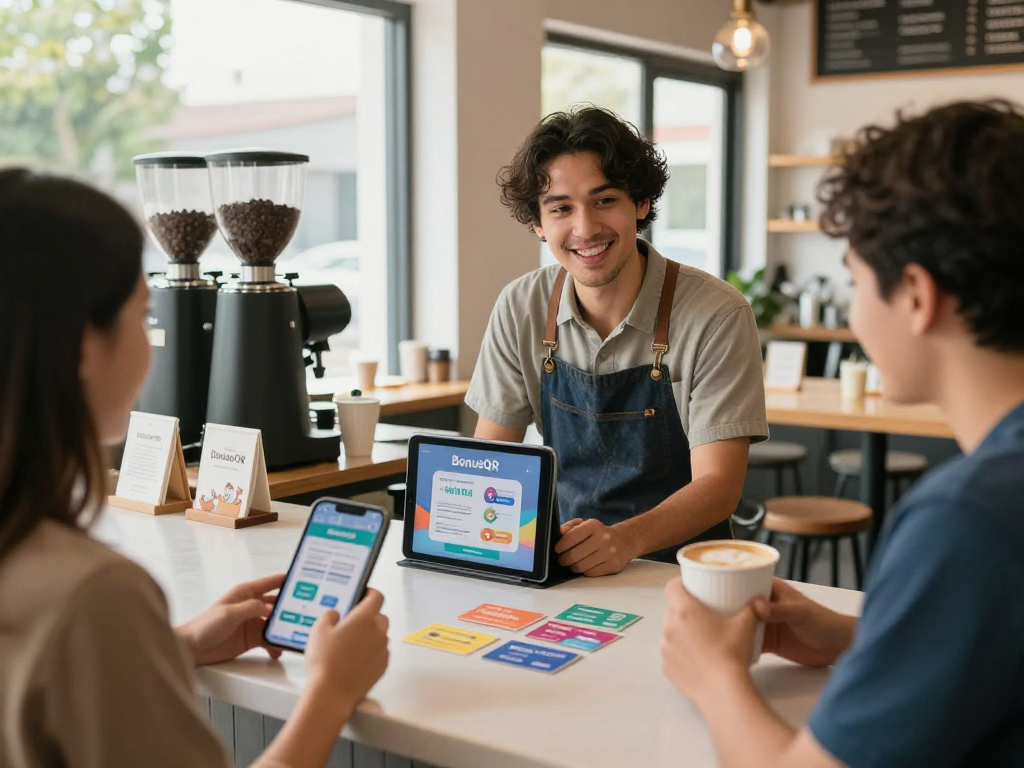
A loyalty program is a structured system implemented by businesses aimed at encouraging repeat customers. These programs reward customers for various behaviors such as purchases, visits, or referrals. While traditional loyalty programs relied heavily on physical stamp cards, modern adaptations have transitioned to digital platforms, utilizing technologies like QR codes and mobile applications to enhance customer engagement and tracking.
The Importance of Loyalty Programs for Small Businesses
For small businesses, loyalty programs offer a strong competitive advantage. They help to increase customer retention, which is often more cost-effective than acquiring new customers. Repeat customers tend to spend more, provide valuable feedback, and become brand advocates, sharing their positive experiences with others. In short, an effective loyalty program can transform one-time buyers into lifelong patrons.
Types of Loyalty Programs Available
Several types of loyalty programs can be tailored to fit different business models. These include:
- Points-Based Rewards: Customers earn points for every purchase, which can be redeemed for discounts or products.
- Tiered Programs: Incentivizing customers to reach higher levels of spending to unlock greater rewards.
- Cashback Offers: Customers receive a percentage of their purchase back, which can be used for future transactions.
- Referral Programs: Encourage customers to refer friends and family in exchange for rewards.
- Occasional Bonuses: Offering rewards during special promotions or events can encourage participation and increase sales.
Defining Your Objectives and Goals
Identifying Customer Needs and Expectations
The foundation of a successful loyalty program begins with understanding customer expectations. Conducting surveys and collecting feedback can provide insights into what customers value most in their shopping experience. This helps in crafting a program that resonates with them, ensuring higher participation rates.
Common Misconceptions About Loyalty Programs
Many businesses mistakenly believe that simply having a loyalty program is enough to drive customer engagement. However, without clear communication and attractive rewards, programs can fail to generate interest. It’s essential to educate customers on the benefits and workings of your loyalty program from the outset.
Setting Smart Goals for Your Loyalty Program
Establishing specific, measurable, achievable, relevant, and time-bound (SMART) goals for your loyalty program can drive success. Whether it’s increasing repeat customer rates by a certain percentage or achieving a specific number of enrollments within a month, having clear goals can inform your strategy and help measure progress.
Designing an Effective Loyalty Program
Choosing the Right Structure for Your Program
Selecting an appropriate structure is critical for the success of a loyalty program. This involves deciding how customers will earn rewards and what those rewards will be. A points-based system is popular due to its simplicity, but combining different elements—such as discounts for referrals or bonuses for social media engagement—can also enhance the program’s appeal.
Best Practices for Reward Systems
A few best practices for designing effective rewards within your loyalty program include:
- Make Reward Redemption Easy: Complicated redemption processes can frustrate customers. Simplifying this step encourages them to return and use their rewards.
- Offer Meaningful Rewards: Ensure that the rewards are attractive and relevant to your target demographic. Consider including exclusive discounts, free products, or experiential rewards.
- Regularly Update Offers: Keeping the program fresh with new rewards or limited-time offers can maintain customer interest and engagement.
Incorporating Customer Feedback for Improvements
Feedback is an invaluable tool for continuous improvement of your loyalty program. Regularly surveying participants and analyzing their interactions will help identify areas for enhancement. Make adjustments based on customer preferences to ensure the program remains appealing and beneficial.
Marketing Your Loyalty Program
Utilizing Digital Channels for Promotion
In today's digital age, leveraging online marketing channels is essential for promoting your loyalty program. Utilize social media platforms, email newsletters, and your website to reach potential participants. Engaging visuals and clear calls to action can significantly boost awareness and enrollments.
Engaging Customers Through Onboarding Strategies
The onboarding process for new loyalty program members is crucial. Ensure it is seamless and welcoming. Providing a special sign-up bonus or introducing them to the program benefits through automated emails can enhance their initial experience, making them more likely to engage long-term.
Creating Exciting Campaigns to Boost Participation
Regular campaigns, such as double points days or referral contests, can stimulate excitement and encourage higher levels of customer participation. Timing these campaigns during holidays or special occasions can make them even more effective.
Measuring Success and Making Adjustments
Key Performance Metrics to Track
Establishing key performance indicators (KPIs) for your loyalty program will help gauge its effectiveness. Common metrics include customer retention rate, enrollment numbers, reward redemption rates, and overall sales generated from loyalty program participants.
Analyzing Customer Data for Insights
Data analysis capabilities are essential for assessing the success of your loyalty program. By tracking customer behavior, preferences, and interactions, businesses can gain insights into what works and what doesn’t, allowing for more informed decisions moving forward.
Adapting Your Program Based on Results
Flexibility is key in adapting your loyalty program based on collected data and feedback. Regularly assessing your strategies and making the necessary adjustments ensures your program remains relevant and effective.
How to Prevent Common Pitfalls in Loyalty Programs?
Many loyalty programs fail when they overwhelm customers with rewards that are complicated or irrelevant. To prevent this, focus on simplicity in how rewards are accrued and redeemed. Ensure your program is easy to understand and utilize, providing clear communication and support as needed.
What Are the Emerging Trends in Loyalty Programs for 2026?
As technology continues to evolve, so do loyalty programs. Emerging trends for 2026 include the integration of artificial intelligence to personalize experiences, gamification elements to engage customers further, and sustainability initiatives, where customers can earn rewards for eco-friendly purchases.
How Can I Effectively Promote My Loyalty Program?
To effectively promote your loyalty program, consider multi-channel marketing strategies that include online advertising, in-store promotions, and partnership collaborations. Strong branding and a focus on customer benefits will create a compelling narrative that attracts new participants.
Conclusion
Implementing an effective loyalty program tailored to your small business can be a game-changer in fostering long-term customer relationships and boosting sales. For more information, loyalty program offers valuable insights. By understanding the landscape, setting clear goals, designing a rewarding structure, and continuously measuring success, businesses can ensure their loyalty programs thrive and evolve with customer needs and market trends.