Understanding Commercial Automatic Doors
What Are Commercial Automatic Doors?
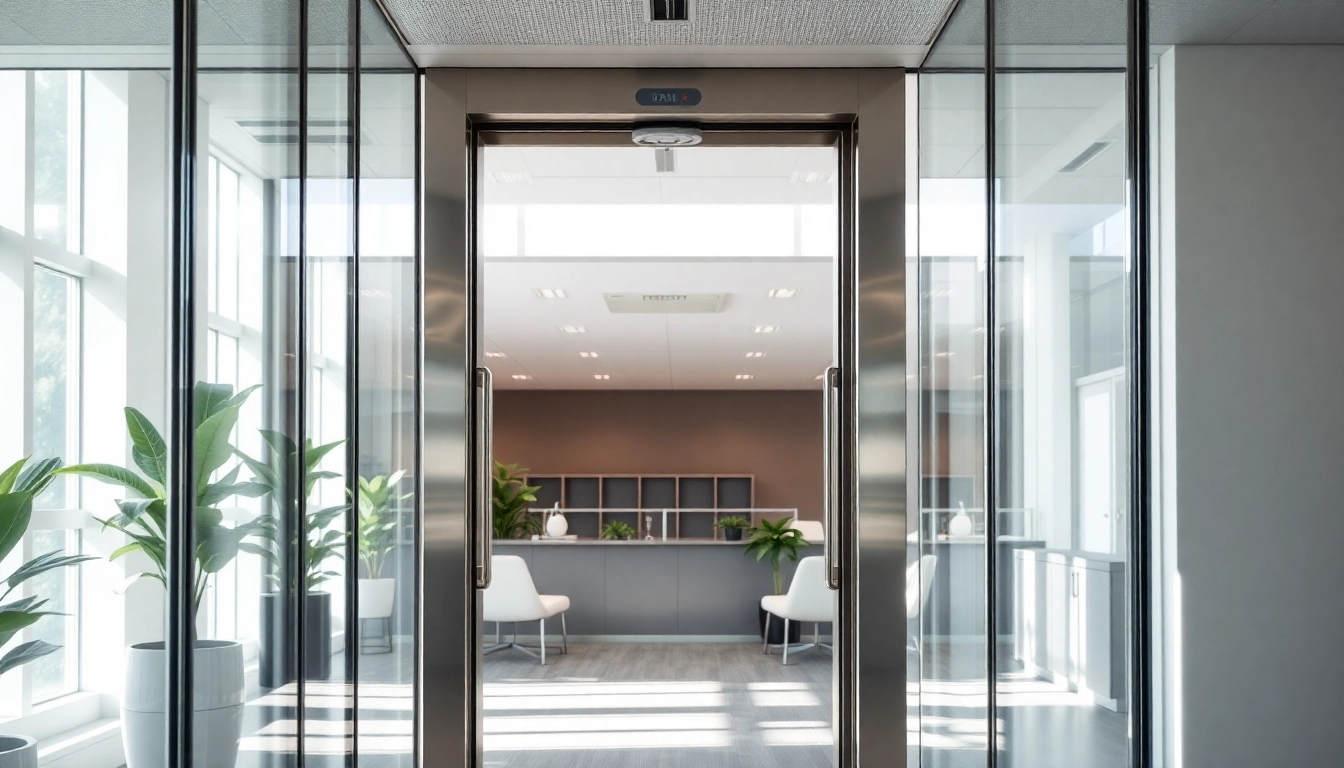
Commercial automatic doors are engineered systems designed to provide seamless entry and exit in various business environments, ranging from retail stores and shopping malls to offices and healthcare facilities. These doors open automatically when a person approaches, driven by motion sensors or push buttons, which enhances accessibility while improving user experience. The implementation of Commercial Automatic Doors not only facilitates customer traffic but also optimizes energy efficiency and elevates overall security within a premises.
Types of Commercial Automatic Doors
Understanding the various types of commercial automatic doors is essential for making informed decisions regarding your installation. Here are some prevalent types:
- Sliding Automatic Doors: These doors typically glide open horizontally and are ideal for high-traffic areas like supermarkets and airports.
- Swinging Automatic Doors: Often employed in healthcare facilities, these doors hinge on one side to open inward or outward for easy accessibility.
- Revolving Automatic Doors: These consist of multiple wings that rotate around a central axis, making them efficient in controlling the internal climate and minimizing drafts.
- Bi-Fold Automatic Doors: These doors fold back symmetrically and are great for locations where space is limited while maximizing openings.
Benefits of Installing Commercial Automatic Doors
The installation of commercial automatic doors offers an array of benefits that are crucial for optimizing business operations:
- Increased Accessibility: Automatic doors provide easier access for individuals with disabilities, complying with ADA regulations.
- Enhanced Security: Modern automatic doors can be equipped with locking mechanisms and surveillance technology to bolster security.
- Energy Efficiency: These doors minimize air leakage, leading to reduced energy consumption and lower utility bills.
- Boosted Customer Experience: A convenient entry/exit solution can enhance the overall customer experience and encourage repeat visits.
Choosing the Right Commercial Automatic Doors
Factors to Consider Before Installation
Before installing commercial automatic doors, several critical factors must be considered to ensure optimal performance:
- Traffic Flow: Assess the volume of foot traffic to identify the best type of door that can accommodate this flow.
- Space Constraints: Evaluate the physical dimensions of the existing space to determine suitable door types, ensuring adequate opening and closing area.
- Security Requirements: Identify specific security needs based on the business type and location.
- Climate Control: Consider energy efficiency and how the door design will mitigate heat loss or gain.
How to Select the Best Style
Choosing the right style of commercial automatic doors significantly impacts functionality and aesthetics:
- Brand Image: The style should resonate with your brand identity while fitting harmonically with the architecture.
- Practicality: Opt for styles that minimize germs and contaminants, such as touchless options.
- Customization: Consider options for customization to meet specific functional requirements or branding needs.
Comparing Costs of Commercial Automatic Doors
Assessing the cost of commercial automatic doors involves looking beyond initial investment:
- Material Quality: High-quality materials may incur higher upfront costs but lead to reduced maintenance and better durability.
- Installation Expenses: Consider installation costs as part of your budget, factoring in the complexity of the door type you choose.
- Energy Savings: Calculate potential savings from lower energy consumption over time, which can offset initial costs.
Installation Process of Commercial Automatic Doors
Preparing for Installation
Proper preparation is paramount for ensuring a successful installation:
- Site Assessment: Conduct a thorough site survey to identify any structural modifications needed for the installation.
- Regulatory Approvals: Obtain necessary permissions and ensure compliance with local building codes and standards.
- Professional Consultation: Consulting with professionals can aid in selecting the right product and avoiding common pitfalls.
Steps for Seamless Installation
Following a systematic approach during installation will facilitate a smoother process:
- Remove any existing doors or obstructions in the entrance area.
- Install the doorframe and ensure it is level and secure.
- Mount the automatic drive components according to manufacturer specifications.
- Attach the automatic door panels and test the opening/closing functionality.
- Conduct final adjustments and calibrations to sensor sensitivity and speed.
Post-Installation Checks for Commercial Automatic Doors
After installation, conducting thorough checks is critical to ensure safety and reliability:
- Functional Testing: Verify that doors open and close smoothly in response to both manual and automatic triggers.
- Safety Features: Assess safety features such as sensor operation and emergency overrides to ensure functionality.
- Compliance Check: Ensure that the installation meets all relevant safety regulations and industry standards.
Maintenance Tips for Commercial Automatic Doors
Routine Inspection Guidelines
Regular inspections are vital to prolonging the life of automatic doors:
- Schedule Frequent Checks: Establish a routine inspection schedule based on the volume of door usage.
- Examine Mechanical and Electrical Components: Inspect drive systems and sensors for any irregularities or wear.
- Assess Weather Seals: Ensure seals are intact to guard against air leaks and moisture.
Common Issues and Fixes
Awareness of potential problems can help with timely intervention:
- Door Does Not Open: Check power supply and examine sensors for obstructions or faults.
- Noise During Operation: Lubricate moving parts to mitigate it.
- Sensor Malfunction: Clean sensors to ensure they are free from dirt and obstructions.
Hiring Professional Maintenance Services
For optimal performance, consider employing professionals for maintenance tasks:
- Expertise: Professionals have a deep understanding of complex systems and can quickly address issues.
- Preventative Maintenance: Regular services can prevent major repairs and extend the lifespan of the doors.
- Warranty Compliance: Maintaining a professional schedule often satisfies warranty requirements.
Maximizing Energy Efficiency and Safety
Energy-Saving Features of Commercial Automatic Doors
Innovative features contribute significantly to energy savings:
- Insulated Doors: These doors reduce heat transfer, keeping the interior climate regulated.
- Smart Sensors: Modern systems are equipped with advanced sensors that optimize door operation based on real-time usage.
- Automatic Closures: Automatic doors can be programmed to close immediately after use, preventing energy wastage.
Safety Standards for Installation and Use
Ensuring safety compliance is crucial for commercial automatic doors:
- ADA Compliance: All doors should meet Americans with Disabilities Act regulations for accessibility.
- Emergency Access: Implement features that allow for manual operation in case of a power failure.
- Regular Safety Audits: Engage in audits to ensure adherence to all safety regulations and operational standards.
Innovations in Commercial Automatic Doors
The evolution of technology in the industry has led to several innovative solutions:
- Touchless Technology: Contactless entry solutions have surged in popularity, driven by health awareness.
- AI Integration: Some advanced systems use artificial intelligence to optimize door performance based on traffic patterns.
- Advanced Security Features: Enhanced monitoring and access technology improve overall premises security.
Frequently Asked Questions
What are the main advantages of automatic doors for businesses?
Automatic doors improve accessibility, bolster security, enhance customer experience, and reduce energy costs.
Are commercial automatic doors suitable for all business types?
Yes, they can be customized to fit various commercial environments, including retail, healthcare, and office spaces.
How much do commercial automatic doors typically cost?
Costs vary widely based on the type and features, but they are generally a long-term investment offering significant benefits.
Can I install automatic doors myself?
While DIY installation is possible, hiring professionals ensures proper installation, compliance with regulations, and safety checks.
What maintenance is required for automatic doors?
Routine inspections, cleaning of sensor areas, and lubrication of moving parts are essential for keeping doors functioning properly.