Understanding African American Cartoons and Their Impact
African American cartoons hold a unique place in the landscape of animation, offering diverse storytelling that reflects cultural richness and complexity. In a marketplace often dominated by mainstream narratives, these cartoons serve not only as entertainment but also as educational tools that promote understanding and representation. The evolution of these animated series showcases the significant historical contributions of African American creators and the vital role these visuals play in shaping children’s perceptions of race, identity, and culture. When exploring options, African American Cartoons provide comprehensive insights into this dynamic field.
Historical Significance of African American Animation
The roots of African American animation can be traced back to the early 20th century, with pioneering figures like George Herriman, who created the iconic comic strip “Krazy Kat.” However, it wasn’t until the 1970s that African American characters began to take center stage in mainstream media. Shows like “Fat Albert and the Cosby Kids” introduced a generation of viewers to diverse characters and everyday experiences, paving the way for future content that would further explore the richness of African American culture. The portrayal of characters such as the Jackson 5 in animated series also marked a significant shift in representation, showcasing positive role models for children of color.
The Role of Representation in Children’s Media
Representation is critical in children’s media as it allows young viewers to see themselves reflected in the stories they consume. African American cartoons play a substantial role in fostering pride and identity among children of color. Shows like “The Proud Family” and “Doc McStuffins” not only entertain but also spark conversations about family, community, and cultural heritage. As children’s media increasingly embraces diversity, the significance of authentic representation becomes ever more apparent, leading to positive outcomes for young viewers in terms of self-esteem and cultural awareness.
Key Themes in Modern African American Cartoons
Modern African American cartoons delve into a myriad of themes that resonate with both children and adults. Topics such as friendship, resilience, and social justice are often interwoven into the narratives. The “Boondocks” exemplifies this with its incisive commentary on race and society, pushing boundaries while engaging a broad audience. Furthermore, series such as “Craig of the Creek” celebrate friendship and community, showcasing characters that navigate the complexities of childhood with grace and humor. The rich storytelling found in these cartoons addresses contemporary issues while remaining accessible and relevant to young audiences.
Top African American Cartoons to Watch in 2026
Beloved Classics That Shaped Animation
When looking back at the classics, cartoons like “Fat Albert and the Cosby Kids,” and “The Proud Family” stand out as pioneering works. These shows not only entertained but also educated audiences about African American culture and values through relatable characters and lessons. “Fat Albert,” created by Bill Cosby, was groundbreaking in its focus on the lives of African American youth, setting a precedent for future animated series that sought to represent marginalized communities. Likewise, “The Proud Family,” with its vibrant characters and relatable family dynamics, is remembered fondly by many who grew up with it.
Recent Hits: What’s Trending Now
The landscape of African American animation continues to evolve, with recent hits like “Craig of the Creek” and “Adventure Time: Distant Lands” receiving praise for their inclusive storytelling. “Craig of the Creek,” in particular, features a diverse cast of characters and highlights the importance of friendship and community. Other notable mentions include “Young Justice,” which seamlessly integrates themes of diversity within a superhero narrative, providing representation while captivating audiences with its engaging plotlines.
Recommendations for Different Age Groups
For younger children, series like “Doc McStuffins” and “Esme & Roy” offer positive representation and life lessons. “Doc McStuffins,” featuring a young girl aspiring to be a doctor, encourages STEM education and promotes self-belief among its viewers. For older children, “The Boondocks” and “Static Shock” tackle more complex themes, addressing societal issues and providing critical social commentary through humor and action. Each of these shows not only entertains but also provides valuable discussions about identity, resilience, and community.
Creating a Diverse Viewing Experience for Kids
Incorporating Cultural Education into Cartoons
Incorporating cultural education into children’s programming is crucial for promoting understanding and respect for diversity. Animated series featuring African American characters often use storytelling to educate young viewers about their heritage, history, and cultural practices. Through engaging narratives, children can learn about significant figures in African American history, language, and community traditions, fostering an appreciation for different cultures from an early age.
How to Discuss Themes of Diversity with Children
Engaging children in discussions about diversity can be both rewarding and challenging. Parents can use animated series as a tool to introduce conversations about race, culture, and empathy. After watching a show, families can discuss the characters’ experiences and how they relate to real-life events and issues. This not only promotes critical thinking but also encourages children to express their feelings and thoughts about diversity, helping them develop a more comprehensive understanding of the world around them.
Building a Balanced Media Diet
A balanced media diet includes a variety of content that reflects diverse perspectives and experiences. Parents should encourage children to explore different genres and cultures through cartoons and other forms of media. This approach not only broadens their understanding of the world but also fosters empathy and acceptance. By deliberately choosing media that represents various viewpoints and backgrounds, parents can help nurture inclusive mindsets in their children.
The Future of African American Animation
Emerging Trends in Animation for 2026
As we look ahead to 2026, emerging trends in African American animation include an increase in diverse storytelling and unique character development. With advances in technology and animation techniques, creators are finding new ways to tell stories that resonate with audiences across different cultures. Furthermore, streaming platforms are recognizing the importance of diverse content, leading to more opportunities for African American animators and storytellers to bring their visions to life.
Prominent Figures to Watch in Black Animation
Several prominent figures in the animation industry are leading the charge for diversity in storytelling. Creators like Patrick Harpin and LeSean Thomas are making significant contributions to the field, showcasing African American narratives through their unique perspectives and experiences. Their works highlight the importance of representation and inspire the next generation of animators to pursue their passions, ensuring that diverse stories continue to thrive.
Advancements in Technology and Their Influence
The rapid advancements in animation technology are influencing the future of African American cartoons. Tools such as CGI and virtual reality are allowing creators to push the boundaries of traditional animation, resulting in more dynamic and engaging storytelling. As technology continues to evolve, it provides unprecedented opportunities for African American animators to experiment with new styles and narratives, ultimately enriching the landscape of animation.
How to Access Quality African American Cartoons
Best Streaming Platforms for Diverse Content
With the rise of streaming services, accessing quality African American cartoons has become more convenient than ever. Platforms like Netflix, Hulu, and Disney+ offer a range of animated series that feature African American stories and characters. Additionally, more niche platforms focused on diversity are emerging, making it easier for families to find content that reflects their values and interests.
Free Resources and Recommendations
Families seeking free resources can explore online platforms that curate African American cartoons. Websites like PBS Kids and YouTube contain a variety of educational and entertaining content that celebrates diversity. Many library systems also offer free access to digital media resources, connecting families with quality animated series that highlight African American experiences.
Creating a Community Around Diverse Cartoons
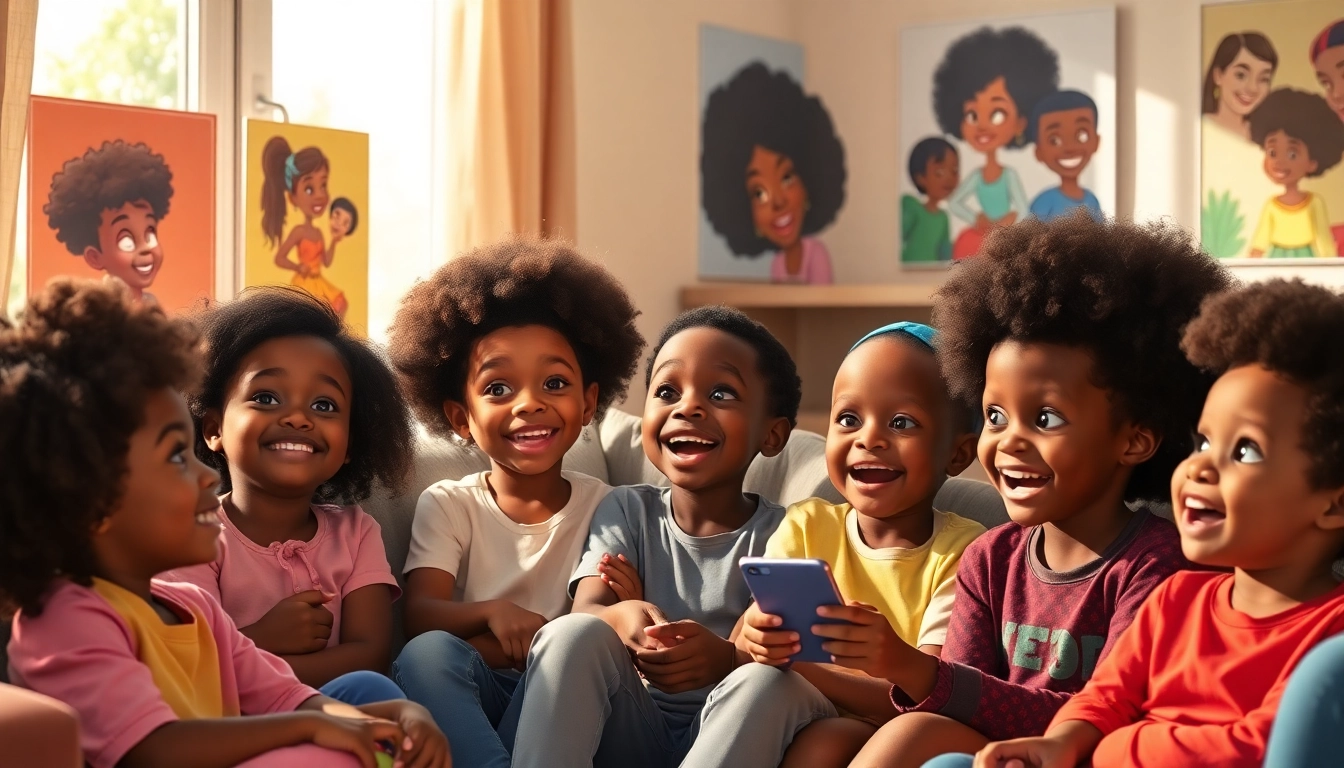
Creating a community around diverse cartoons can enhance children’s viewing experience and foster a sense of belonging. Parents and guardians can form playgroups or discussion circles where children can watch shows together and share their thoughts and interpretations. These gatherings not only build friendships but also allow for collaborative learning regarding themes of diversity and representation present in the cartoons.