Understanding Cape Cod Home Addition Basics
Embarking on a journey to create your dream home can be an exciting yet daunting endeavor. One popular architectural approach for enhancing residential spaces is the cape cod home addition. Rooted in a traditional style, this addition not only expands your living area but enhances your property’s charm. Let’s dive into the essentials of Cape Cod home additions, from understanding their unique features to the immense benefits they offer.
What is a Cape Cod Home Addition?
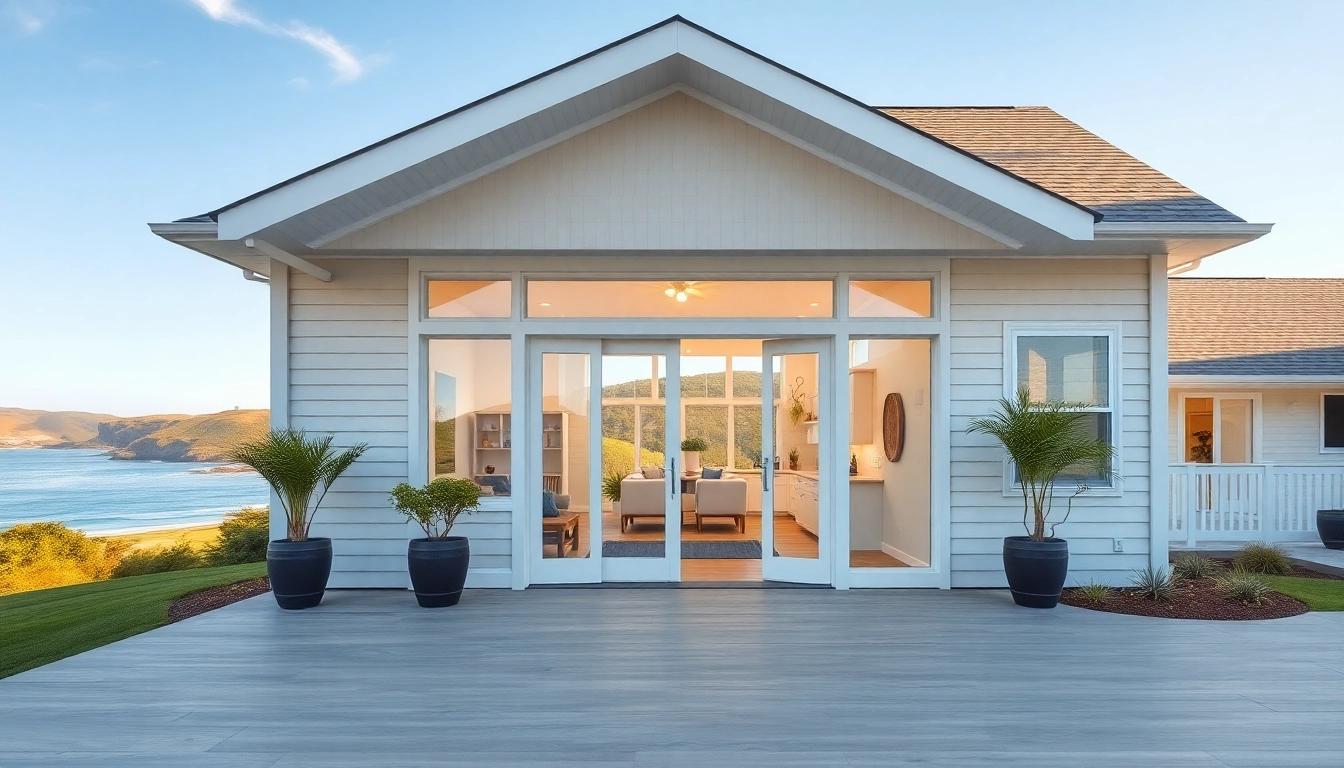
A Cape Cod home addition typically refers to an architectural extension of a traditional Cape Cod-style house. These homes are famously characterized by their steep roofs, symmetrical facades, and dormer windows. An *addition* may encompass various enhancements, from adding extra rooms and upgrading existing spaces to extending outdoor living areas. The scope can range significantly based on homeowner desires and site constraints.
Key Features of Cape Cod Architecture
Before planning your addition, it’s essential to understand the fundamental characteristics of Cape Cod architecture. This style is defined by:
- Steep Roofs: Designed to shed snow easily, the steep pitch is iconic.
- Simple Lines: The overall shape is straightforward, often rectangular, promoting symmetry.
- Wooden Shingles: Wooden siding (often stained or painted) enhances natural aesthetics.
- Dormer Windows: These elements provide light and ventilation, breaking the roofline’s monotony.
- Front Porches: Characteristic of the Cape Cod style, these often serve as functional outdoor spaces.
Benefits of a Cape Cod Home Addition
Undertaking a Cape Cod home addition comes with numerous advantages, including:
- Increased Living Space: More rooms or larger areas cater to growing family needs.
- Value Addition: Expansions can significantly boost property value, appealing to future buyers.
- Personalization: Custom designs allow for tailored functionality suited to homeowner preferences.
- Aesthetic Harmony: Properly designed additions align with the existing structure, preserving charm.
Planning Your Cape Cod Home Addition
Successful planning is crucial to any construction project. A meticulously crafted plan can steer you towards achieving your vision while minimizing common pitfalls.
Setting a Budget for Your Project
The first step in planning your Cape Cod home addition is defining your budget. Costs can vary widely based on design complexity, materials, and labor. Consider these expenses:
- Design Costs: Engage an architect or designer for plans that align with your vision.
- Permits and Fees: Temporary variance requests or standard permits can add costs.
- Construction Costs: Labor and materials constitute the bulk of expenses.
- Landscaping and Finishes: Budget for exterior enhancements and interior decor.
Always allow for unexpected expenses by including a contingency fund in your budget, typically 10-20% of the total.
Finding the Right Location
Choosing the right location for your addition is paramount. Consider the following criteria:
- Sunlight Access: Optimal light can improve energy efficiency and ambiance.
- Privacy: Assess surrounding properties to maintain a sense of seclusion.
- Proximity to Existing Rooms: Plan extensions that enhance flow and accessibility within the home.
- Compliance with Zoning Laws: Ensure your planned location adheres to local codes.
Hiring Qualified Professionals
The right team can make or break your project. Focus on hiring a mix of professionals for the best results:
- Architect: Vital for creating a design that integrates beautifully.
- Contractor: A reliable contractor ensures quality construction.
- Interior Designer: To enhance aesthetics in line with your vision and functionality needs.
Always check references and previous work to ensure you are selecting the best fit for your project.
Design Considerations for Your Cape Cod Home Addition
The design of your addition should reflect both your personal style and the architectural integrity of your Cape Cod home.
Integrating Traditional and Modern Styles
One way to enhance your home while maintaining its traditional appeal is by blending modern and classic elements. For example:
- Mixed Materials: Incorporate modern materials like metal accents alongside traditional wood.
- Contemporary Layouts: Open floor plans can create a spacious feel while integrating classic features.
- Modern Technology: Include energy-efficient systems and smart home technology, blending them seamlessly into the design.
Eco-Friendly Design Choices
As sustainability becomes a priority, consider eco-friendly choices for your home addition:
- Energy-Efficient Windows: Opt for double-glazed or low-emissivity options for insulation benefits.
- Solar Panels: Integrate renewable energy solutions to reduce long-term utility costs.
- Reclaimed Materials: Use refurbished wood or other materials for an environmentally conscious choice.
Optimizing Space and Functionality
When planning your addition, strive for maximum utility of the new space. Key strategies include:
- Multi-Functional Rooms: Design rooms that serve multiple purposes, maximizing usability.
- Smart Storage Solutions: Incorporate built-in shelves and cabinets to reduce clutter.
- Logical Layouts: Ensure smooth transitions between the new and existing areas for cohesive movement.
Permitting and Regulations for Cape Cod Home Additions
Once your design is set, it’s time to navigate the legal landscape surrounding home additions. Understanding local laws can abruptly alter your timeline and costs.
Understanding Local Zoning Laws
Before construction, research your local municipality’s zoning laws. Key points to consider include:
- Setback Requirements: Ensure your addition complies with distance regulations from property boundaries.
- Height Restrictions: Confirm maximum height limits for your area.
- Land Use Criteria: Identify if your property is residential, commercial, or mixed-use, as this impacts allowed designs.
Navigating the Permit Process
The permit process can vary by location, but the general steps include:
- Submit Plans: Provide all necessary designs to your local building authority.
- Address Concerns: Be prepared to adjust plans based on feedback from zoning boards or community associations.
- Obtain Approvals: Once you receive approval, ensure you have all necessary permits before construction begins.
Complying with Building Codes
Local building codes dictate specific construction standards. Key areas include:
- Structural Integrity: Ensure proper engineering to guarantee safety and stability.
- Electrical Compliance: All electrical work must meet local and national safety standards.
- Plumbing Standards: Ensure plumbing meets code to avoid future issues.
Finishing Touches: Making Your Cape Cod Home Addition Feel Complete
The conclusion of your construction phase is just the beginning of defining your home’s character. Thoughtful finishing touches can elevate your addition.
Interior Design Ideas
Enhancing both beauty and functionality, consider these interior design ideas:
- Open Shelving: Practical and decorative, open shelves can display beloved items.
- Neutral Palette: A neutral color scheme can promote a calming atmosphere.
- Cozy Textiles: Incorporate throw pillows, area rugs, and soft furnishings for comfort.
Landscaping Around Your Addition
Thoughtful landscaping can unify your expansion with the rest of your property. Here’s how:
- Planting Trees: Trees can provide shade and enhance aesthetics.
- Pathways: Create defined paths to direct foot traffic and improve accessibility.
- Outdoor Seating: Consider adding seating areas to maximize outdoor enjoyment.
Creating a Cohesive Look with Your Original Home
To maintain a unified appearance, focus on these aspects:
- Matching Materials: Use similar materials to ensure visual consistency.
- Architectural Details: Incorporate similar trim styles, windows, and door shapes.
- Color Harmony: Align paint colors to seamlessly tie together the addition and existing structure.
FAQs
What is the cost of a Cape Cod home addition?
The cost can vary widely, typically between $100 to $300 per square foot, depending on materials and complexity.
How long does a Cape Cod home addition take to complete?
Completion timelines depend on scope but usually range from three to six months, considering permits and construction phases.
Can I live in my home during the addition?
In many cases, you can remain home; however, expect some noise, dust, and restricted access to parts of your home.
What are the most popular rooms to add in a Cape Cod home?
Popular additions often include family rooms, master suites, and expanded kitchens, addressing presenting space needs.
Do I need a permit for a Cape Cod home addition?
Yes, permits are generally required for structural changes, affecting safety and compliance with local regulations.