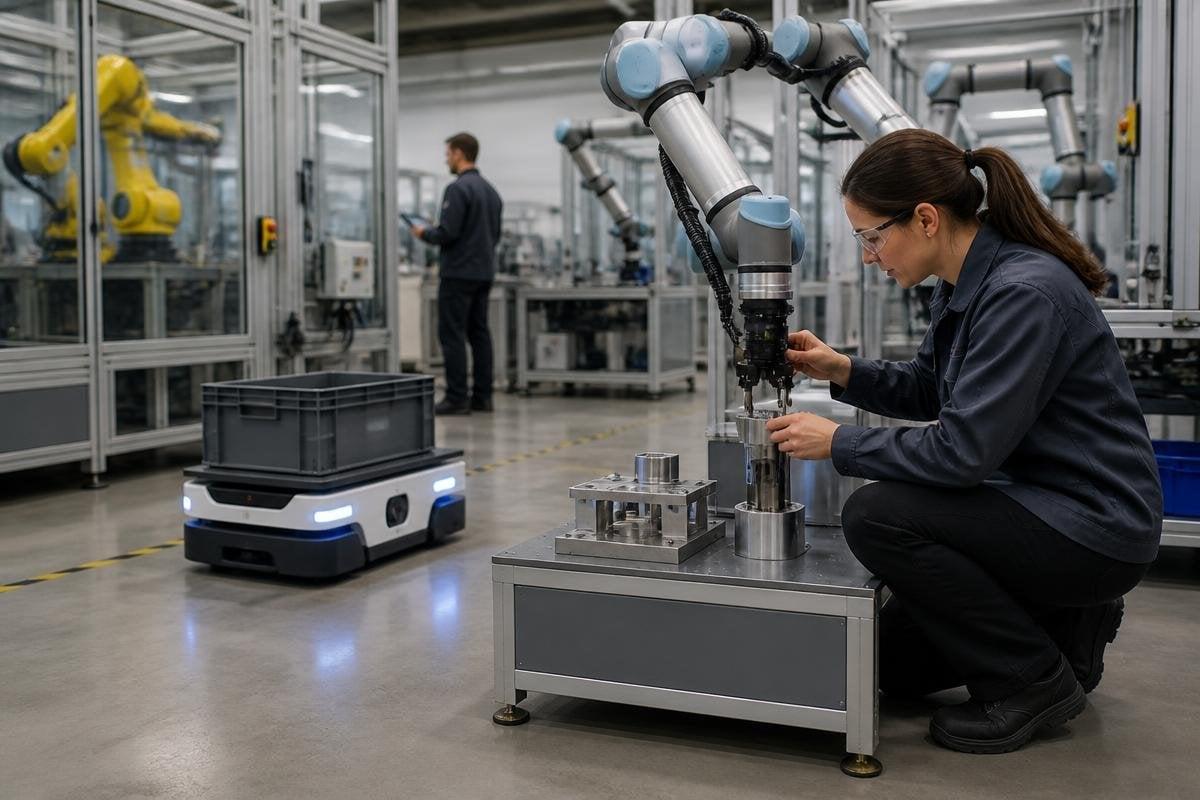
Introduction to Human Interface with AI
The integration of artificial intelligence (AI) into our daily lives has led to a significant transformation in how we communicate and interact with technology. As these advanced systems become more prevalent, understanding the Human Interface with AI is crucial. This field focuses on enhancing human experiences with AI, ensuring these interactions are natural, intuitive, and beneficial. By examining this interaction, we can create systems that not only meet user needs but also foster collaboration and trust between humans and machines.
The Importance in Today's Digital World
In a world where digital interfaces dominate, the importance of effective human-AI interaction cannot be overstated. From voice assistants that help manage our schedules to algorithms predicting user preferences, AI shapes how we experience technology. The interface between humans and AI not only dictates usability but also influences the overall success of tech solutions. The seamless integration of AI into human systems is paramount, as it leads to enhanced productivity, improved decision-making, and greater user satisfaction.
Basic Concepts of Interaction
The fundamental goal of human-AI interaction is to create systems that assist and augment human capabilities. This involves understanding user behavior, preferences, and needs. There are two main aspects of interaction: direct interaction, where users engage with AI systems through interfaces like touch screens or voice commands, and indirect interaction, where AI systems operate in the background, adapting and learning from user behavior. The objective is to create intuitive interfaces that require minimal user effort while maximizing efficiency.
Key Terminologies Explained
To better understand this domain, it is essential to familiarize oneself with specific terminologies:
- Human-Computer Interaction (HCI): The study of how people interact with computers and design technologies that let humans communicate and interact with computers in new ways.
- Artificial Intelligence (AI): The simulation of human intelligence processes by machines, especially computer systems.
- Natural Language Processing (NLP): A branch of AI that helps computers understand, interpret, and manipulate human language.
- Machine Learning: A subset of AI, it involves the development of algorithms that enable computers to learn from and make predictions based on data.
- User Experience (UX): The overall experience a user has with a product, particularly in terms of how pleasant or easy it is to use.
Designing Effective AI Interfaces
Creating effective interfaces for AI systems requires a user-centric approach that prioritizes usability and enhances user experiences. Effective designs increase engagement and satisfaction, promoting positive human-machine relationships. Below are strategies to guide the design of AI interfaces.
User-Centric Design Principles
User-centric design involves placing user needs and preferences at the forefront of the design process. This approach leads to the development of products that resonate with users and enhance interaction. Key principles include:
- Empathy: Understanding users' emotions, needs, and behaviors to create interfaces that are relatable and intuitive.
- Iterative Design: Developing prototypes and gathering user feedback to refine and improve interfaces continuously.
- Accessibility: Ensuring interfaces are usable by individuals with varying abilities, providing equal access to all users.
- Consistency: Maintaining a uniform design language across various touchpoints to foster familiarity and ease of use.
Best Practices for Interface Development
The development of AI interfaces should align with best practices to facilitate positive user interactions:
- Minimize Cognitive Load: Reduce the complexity of tasks and information presented to users by providing clear instructions and choices.
- Design for Feedback: Allow users to receive immediate feedback on their actions, reinforcing interactions and enhancing understanding.
- Utilize Visual Hierarchies: Implement layouts that prioritize information and guide user focus towards essential elements, making navigation intuitive.
- Incorporate Adaptability: Allow AI systems to adapt to user behaviors for personalized experiences that feel more intuitive and relevant.
Utilizing Feedback for Improvement
Feedback is critical for refining AI interfaces. Gathering insights from users through interviews, surveys, and usability testing can identify problem areas and opportunities for improvement. Iterative design processes that incorporate this feedback allow for ongoing enhancements, fostering a dynamic relationship between users and the technology they utilize.
Challenges in Human-AI Interaction
While the integration of AI into human interaction offers exciting possibilities, it is not without challenges. Understanding and addressing these obstacles is imperative for creating effective systems.
Common Misconceptions
Several misconceptions hinder the development of effective human-AI interactions:
- AI Will Replace Humans: Many fear that AI will completely replace human roles, failing to recognize that AI is meant to enhance human capabilities, not eliminate them.
- One-Size-Fits-All Solutions: AI systems that apply uniform responses fail to consider individual needs, leading to user frustration and disengagement.
- AI is Fully Autonomous: Misunderstanding the capabilities of AI can lead to over-reliance on technology without recognizing its limitations.
Addressing Ethical Concerns
As AI systems become more integral to our lives, ethical concerns surrounding privacy, security, and transparency have emerged. There is a growing recognition of the need for ethical guidelines that govern AI design and deployment to protect users and promote trust. Ethical AI should prioritize compliance with legal regulations while fostering a respectful partnership between humans and machines.
Overcoming Interface Limitations
Many AI interfaces struggle with limitations such as language barriers, technical jargon, or inadequate user support. Designers must be proactive in recognizing these limitations by integrating intuitive user assistance and providing multilingual support to enhance accessibility and understanding. Continuous learning systems that adapt to user feedback can also help mitigate these challenges.
Real-World Applications of Human Interface with AI
The application of human-AI interactions spans numerous industries, demonstrating potential innovations and effective real-world solutions. Understanding these applications allows organizations to leverage AI technology successfully.
Case Studies and Examples
Examining successful human-AI partnerships can provide valuable insights. For instance, in healthcare, AI solutions assist medical professionals with diagnostic support and insights from vast datasets, ultimately enhancing patient outcomes. Similarly, in the customer service field, AI chatbots facilitate effective communication with users, answering inquiries and providing recommendations, which allows human agents to focus on more complex tasks.
Industry Uses and Trends
Various industries are increasingly embracing human-AI interactions. For example, in finance, AI systems analyze market trends and offer personalized investment advice. In education, AI tools aid in tailoring learning experiences to fit individual student needs. These trends indicate a shift towards greater automation and personalized interactions across sectors.
Future Prospects and Innovations
The future of human-AI interaction holds exciting potential. Emerging technologies like augmented reality (AR) and virtual reality (VR) are set to enhance user experiences significantly. These innovations can create immersive environments where AI systems provide real-time support, engagement, and interactivity, paving the way for more sophisticated human-AI collaborations.
FAQs about Human Interface with AI
What is the human interaction with AI?
Human-AI interaction ensures systems enhance human capabilities and foster meaningful relationships, promoting cooperation and understanding.
Are current AI interfaces user-friendly?
Many AI interfaces are evolving to be user-friendly, embracing features like personalization, context awareness, and adaptive responses to improve usability.
What challenges do designers face?
Designers face ethical dilemmas, challenges in user trust levels, and technical limitations. Effective communication and iterative feedback address these issues.
How does culture impact AI interaction?
Cultural contexts significantly influence user expectations and engagement styles, affecting interface designs, responsiveness, and acceptance of AI technologies.
Will AI completely replace human roles?
While AI significantly enhances tasks, it is designed to augment human roles, focusing on collaboration rather than complete replacement.