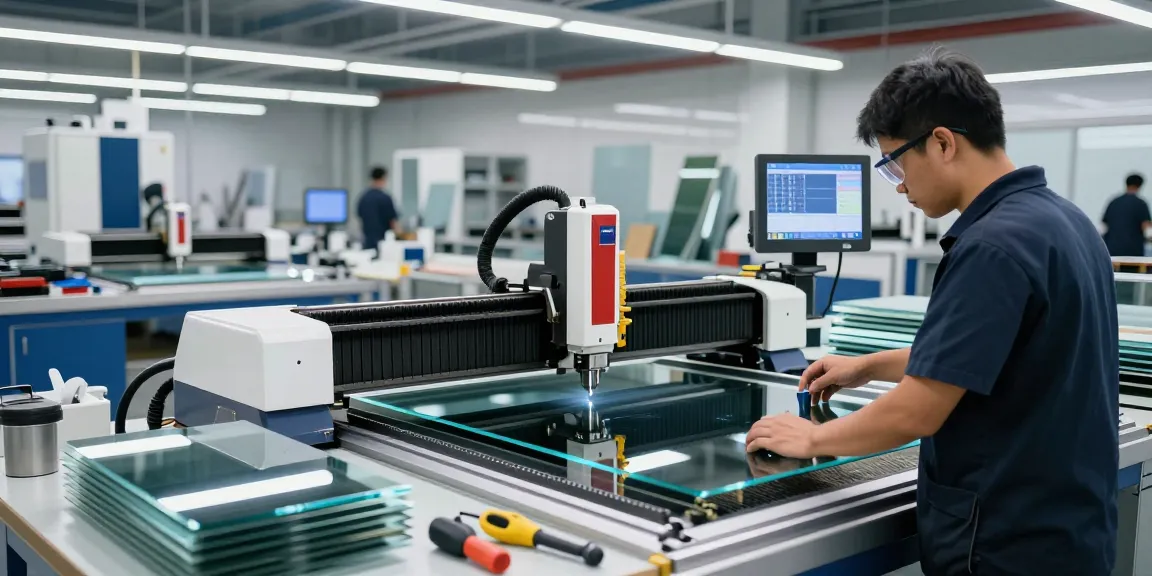
Understanding Cutting Machine Glass Technology
In the ever-evolving field of glass processing, cutting machine glass technology has become a cornerstone for manufacturers aiming for precision, efficiency, and innovation. As the demand for high-quality glass products grows across various industries, understanding the intricacies of cutting machines has never been more crucial. From residential applications to industrial uses, the ability to cut glass with accuracy is paramount in ensuring the quality and durability of the end products.
Key Features of Modern Cutting Machines
Modern glass cutting machines come equipped with a myriad of features designed to enhance performance and usability. Some of the key features include:
- Precision Cutting: Advanced CNC systems allow for precise control over cutting paths, resulting in accurate dimensions and shapes.
- Automation: Automated functions reduce the need for manual intervention, increasing throughput and minimizing human error.
- Versatility: Many cutting machines can handle various glass types and thicknesses, from float glass to laminated options.
- User-Friendly Interfaces: Intuitive software systems make it easier for operators to set up and adjust cutting parameters.
- Safety Features: Modern machines integrate safety protocols to protect operators and ensure efficient workflow.
How CNC Technology Enhances Glass Cutting Precision
Computer Numerical Control (CNC) technology has revolutionized the way glass is cut. By utilizing computer programming, CNC machines can execute precise movements that traditional cutting methods cannot replicate. This technology allows for:
- Enhanced Accuracy: CNC machines can achieve tolerances within fractions of a millimeter.
- Complex Designs: Operators can create intricate patterns and shapes, expanding design possibilities.
- Reproducibility: Once a design is programmed, it can be reproduced with the same precision repeatedly.
Advantages of Automated Glass Cutting Systems
Automated glass cutting systems present numerous advantages for manufacturers seeking to optimize their production processes. Key benefits include:
- Increased Efficiency: Automation speeds up the cutting process, reducing cycle times and labor costs.
- Reduced Material Waste: Precise cutting minimizes offcuts, leading to better material utilization and cost savings.
- Improved Safety: Reducing manual handling decreases the risk of accidents in the workplace.
Choosing the Right Cutting Machine for Your Needs
When selecting a glass cutting machine, several factors must be considered to ensure that it meets your operational needs and business goals. Evaluating performance metrics and specifications is crucial for making an informed decision.
Evaluating Performance Metrics and Specifications
Key performance metrics to consider include:
- Cutting Speed: Faster machines can dramatically improve productivity, especially in high-demand environments.
- Thickness Capacity: Ensure the machine can handle the specific thickness of glass you will process.
- Maximum Sheet Size: Consider the largest dimensions of glass your projects typically require.
- Software Versatility: The ability to integrate with various design software can streamline operations.
Cost Considerations for Different Glass Cutting Machines
Price is often a significant deciding factor for manufacturers. Factors influencing cost include:
- Machine Type: CNC machines are generally more expensive than manual options due to their advanced technology.
- Brand Reputation: Established brands may charge a premium for reliability and service support.
- Features and Automation: Additional features can enhance productivity but also increase upfront costs.
Matching Machine Type to Business Requirements
It is vital to align the capabilities of the cutting machine with your specific business needs. Consider factors like:
- Production Volume: High-volume operations may benefit from automated systems, while smaller businesses might find manual or semi-automated machines sufficient.
- Product Variety: If your business requires diverse glass products, a versatile cutting machine may be the best choice.
Common Challenges in Glass Cutting and Solutions
Despite advancements in technology, several challenges can arise during the glass cutting process. Understanding these issues and having effective solutions is vital for maintaining production efficiency.
Addressing Material Thickness Variability
Different glass types have varying thicknesses, which can complicate cutting. To address this, manufacturers should:
- Choose machines that can adapt to different thicknesses.
- Invest in high-precision calibration tools to ensure accurate cutting parameters.
Minimizing Waste During the Cutting Process
Waste not only increases costs but also impacts environmental sustainability. Strategies to minimize waste include:
- Implementing software that optimizes cutting layouts.
- Regularly reviewing cutting patterns to identify and eliminate inefficiencies.
Overcoming Technical Issues with Equipment
Technical glitches can halt production. Preventive measures include:
- Regular maintenance checks to identify potential issues early.
- Training staff to troubleshoot common problems.
Best Practices for Operating Cutting Machines
To ensure a smooth operation of glass cutting machines, adhering to best practices is essential. These practices contribute to machine longevity and operational efficiency.
Routine Maintenance for Longevity and Efficiency
Regular maintenance plays a critical role in the performance of glass cutting machines. Essential maintenance tasks include:
- Cleaning and lubricating moving parts.
- Regularly updating software to improve functionality.
Training Staff for Optimal Machine Operation
Proper training ensures that operators can use machines effectively and safely. Training should cover:
- Machine operation procedures.
- Safety protocols.
- Troubleshooting techniques.
Safety Protocols in Glass Processing Environments
Glass processing can be hazardous. Implementing robust safety protocols includes:
- Providing personal protective equipment (PPE) to all staff.
- Creating an emergency response plan for accidents.
Future Trends in Glass Cutting Technology
The landscape of glass cutting technology is continuously evolving. Staying informed about emerging trends can help businesses remain competitive.
Emerging Innovations in Cutting Machine Design
Innovations to watch for include:
- Increased Automation: More manufacturers are focusing on fully automated systems that integrate seamlessly with production lines.
- Advanced Materials: Companies are exploring how new materials can enhance cutting efficiency and precision.
The Role of AI and Automation in Glass Processing
Artificial Intelligence (AI) is expected to revolutionize glass processing by:
- Enhancing predictive maintenance capabilities.
- Optimizing cutting parameters based on historical data and real-time analytics.
Anticipating Market Needs for 2026 and Beyond
As the industry shifts, companies must prepare for future market demands by:
- Investing in R&D to keep up with technological advancements.
- Listening to customer feedback to adapt products and services accordingly.
What is the best machine for cutting glass?
The best machine will depend on your specific needs, including the type of glass you work with, volume, and required precision. Generally, CNC cutting machines are preferred for their accuracy and versatility.
How does a CNC glass cutting machine work?
CNC glass cutting machines operate using computer controls to direct the cutting tool along predetermined paths, allowing for intricate designs with high precision.
What are the benefits of using automated cutting machines?
Automated cutting machines offer numerous benefits, including increased efficiency, reduced waste, and enhanced quality control, making them essential for modern glass processing.
What maintenance is required for glass cutting machines?
Regular maintenance tasks include cleaning, lubrication, software updates, and calibrating cutting parameters to ensure optimal performance.
What trends should I watch for in cutting machine technology?
Key trends include advancements in automation, integration of AI, and developments in machine design that increase efficiency and reduce waste.