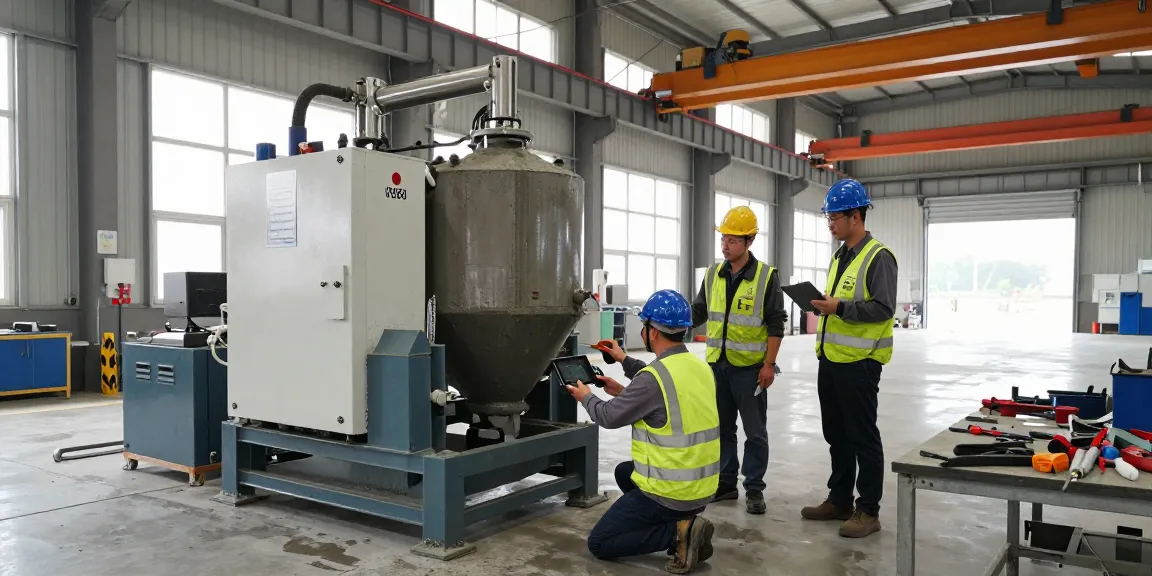
Understanding NAGA2000 Technology
The construction industry is on the brink of a technological renaissance with the emergence of advanced concrete mixing solutions such as NAGA2000. This innovative technology facilitates not only the mixing of concrete with unprecedented precision but also paves the way for greater efficiency, reduced waste, and enhanced sustainability in construction practices. By adopting NAGA2000, companies can harness the full potential of modern engineering, setting a new standard in the realm of heavy machinery and concrete applications.
What is NAGA2000?
NAGA2000 is a state-of-the-art concrete mixing system that integrates advanced automation and innovative materials handling to optimize the mixing process. Engineered for versatility, it caters to a wide range of concrete types and formulations, enabling producers to maintain strict quality control while adapting to varying project demands. With a smart interface and robust construction, NAGA2000 exemplifies the future of concrete technology, offering a solution that meets both operational and environmental requirements.
Key Features and Benefits of NAGA2000
- Precision Mixing: NAGA2000 employs automated batching systems that ensure accurate proportions of ingredients, reducing material waste and improving the overall quality of the concrete mix.
- Enhanced Efficiency: Its rapid mixing capabilities significantly speed up production times, enabling projects to meet tight deadlines without compromising quality.
- Energy Savings: The system is designed to consume less energy compared to traditional mixers, making it a more sustainable choice in an industry that is increasingly focused on reducing its carbon footprint.
- User-Friendly Interface: The intuitive control system allows operators to easily monitor and adjust settings, facilitating seamless operation even for teams with limited technical expertise.
- Adaptability: NAGA2000 can be customized for various concrete applications—whether it’s structural, decorative, or precast concrete—making it a versatile asset for any construction company.
Comparison to Traditional Concrete Mixing Equipment
When comparing NAGA2000 to traditional concrete mixing equipment, the differences in technology and efficiency become evident. Conventional mixers often require substantial manual input and lack the precision of automated systems. This can lead to inconsistencies in mix quality and increased labor costs. In contrast, NAGA2000’s automated processes minimize human error and streamline operations, ultimately leading to enhanced productivity.
Application of NAGA2000 in Heavy Industry
Case Studies: NAGA2000 in Real-World Applications
Various companies have successfully implemented NAGA2000, transforming their concrete production processes. For instance, a prominent construction firm in California adopted this technology for a high-profile infrastructure project. The results were remarkable—production rates increased by 30%, and material waste decreased by nearly 40%, demonstrating the significant cost-saving potential of this advanced system.
Industry-Specific Use Cases and Benefits
NAGA2000 is particularly beneficial in sectors such as road construction, bridge building, and high-rise projects where quality and speed are paramount. In road construction, for example, the demand for rapid setting concrete mixtures can be adequately met with NAGA2000’s rapid mixing capabilities, ensuring that projects remain on schedule. Similarly, its efficient resource management directly contributes to lower project costs, making it an attractive option for competing in a tight marketplace.
Challenges Encountered with NAGA2000 Adoption
Despite its advantages, the adoption of NAGA2000 is not without challenges. Initial investment costs can be a barrier for smaller contractors, who may hesitate to transition from traditional methods. Additionally, the need for operator training is crucial, as teams must adapt to the new system’s technology and capabilities. Companies must also consider ongoing maintenance and support to ensure the equipment operates effectively over its lifespan.
Best Practices for Implementing NAGA2000
Setup and Installation Tips for Maximum Efficiency
Successful implementation of NAGA2000 begins with careful planning and installation. It’s essential to ensure that the site is prepared to accommodate the equipment’s specifications. This includes adequate electrical supply, space for operation, and access to raw materials. Moreover, engaging professional installation services can significantly enhance operational efficiency from day one.
Training Your Team to Operate NAGA2000
Investing in comprehensive training for your team is vital to harnessing the full potential of NAGA2000. Operators must be familiar with both the machinery and the software involved in the mixing process. Regular training sessions and updates can ensure ongoing competence and adaptability to technological advancements.
Maintenance Strategies for Longevity and Reliability
To maintain peak performance, it’s crucial to adhere to a regular maintenance schedule. This includes daily checks of the electrical systems, periodic calibration of mixing components, and extensive cleaning protocols to prevent material buildup. Establishing a relationship with the manufacturer or a specialized service provider can also facilitate timely repairs and support.
Future Trends in Concrete Mixing Technology
Emerging Technologies Complementing NAGA2000
The future of concrete mixing technology is set to be influenced by advancements such as artificial intelligence and machine learning. These technologies can work alongside NAGA2000 to optimize mix designs based on predictive analytics, ultimately enhancing both performance and sustainability. Also, integrating Internet of Things (IoT) capabilities could lead to smarter monitoring of material utilization and productivity metrics, further streamlining operations.
Forecasting Industry Changes in 2026 and Beyond
By 2026, the concrete mixing industry is expected to see increased automation and the use of eco-friendly materials. The shift towards sustainability will drive demand for technologies like NAGA2000 that enhance efficiency while reducing environmental impact. Furthermore, regulatory pressures will likely push companies toward adopting such advanced systems to comply with new environmental standards.
Regulatory Considerations and Compliance Issues
Compliance with local and international regulations is an essential consideration for companies adopting technologies such as NAGA2000. It is crucial to stay informed about changing regulatory environments regarding emissions, energy consumption, and waste disposal. Proactive engagement with regulatory bodies and industry organizations can help ensure compliance and avoid potential liabilities.
Frequently Asked Questions about NAGA2000
What industries benefit most from NAGA2000?
NAGA2000 is particularly beneficial in industries such as construction, precast manufacturing, and road paving, where high-quality concrete is a critical component of projects.
How does NAGA2000 improve efficiency in concrete mixing?
By utilizing automated processes, NAGA2000 minimizes manual labor, reduces mixing time, and ensures accurate proportions of ingredients, thus enhancing overall operational efficiency.
What maintenance is required for NAGA2000 machines?
Regular maintenance involves routine inspections, cleaning, and periodic calibration of the equipment to ensure optimal performance and longevity.
Can NAGA2000 integrate with existing systems?
Yes, NAGA2000 is designed with compatibility in mind, allowing it to integrate smoothly with existing batching and production systems to facilitate a seamless transition.
What is the expected ROI when using NAGA2000?
The expected ROI can vary based on usage and project scale, but many companies report significant cost savings through reduced waste and improved efficiency, often recouping their investment within a few projects.