Understanding Self Storage Units
What Are Self Storage Units?
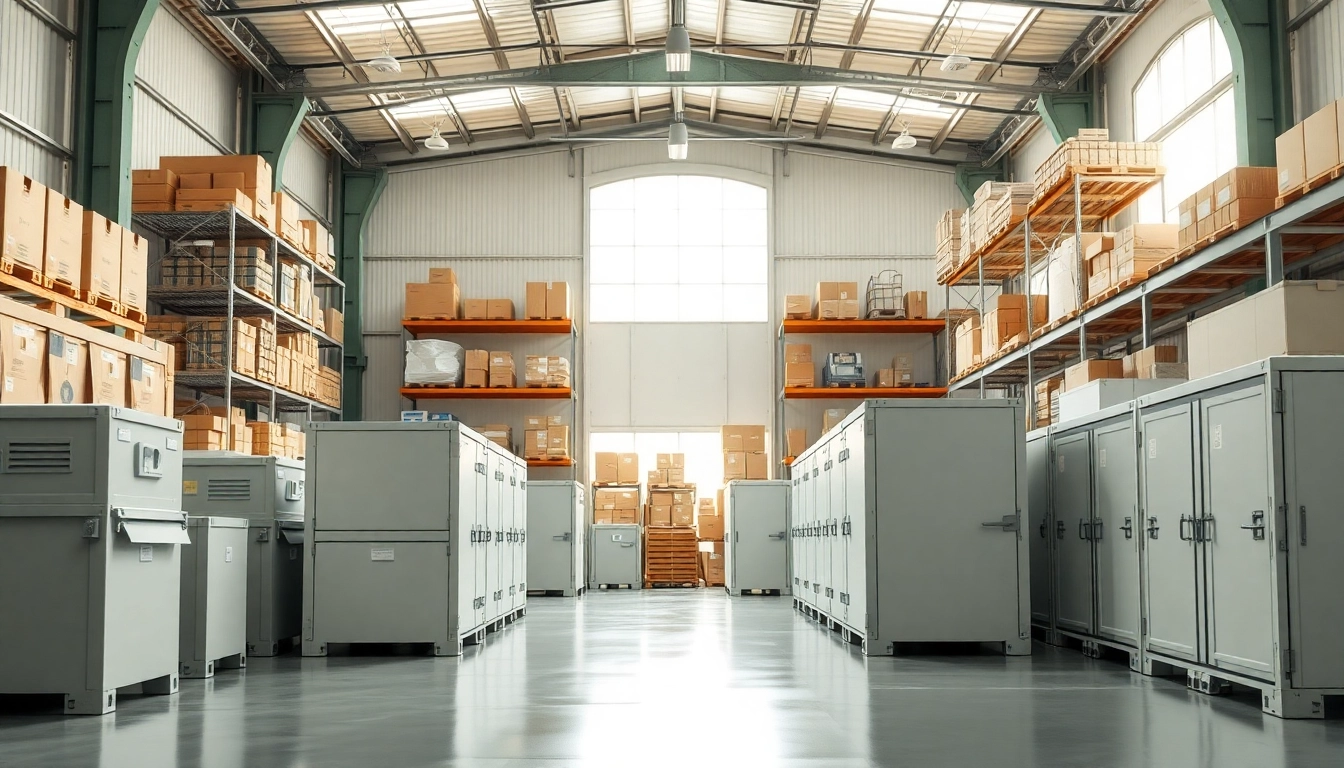
Self storage units are secure spaces that individuals or businesses can rent to store personal belongings, equipment, or inventory. Accessible to renters at varying times, these units offer a practical solution for managing excess items, ranging from furniture to seasonal gear. By utilizing self storage units, users can efficiently declutter their homes or offices without the need for permanent disposals.
Types of Self Storage Units Available
Self storage units come in various shapes, sizes, and styles tailored to different needs:
- Standard Units: Basic storage spaces typically found in a variety of sizes, ideal for general personal or business use.
- Climate-Controlled Units: Units equipped to maintain temperature and humidity levels, crucial for storing sensitive items like electronics, art, or antiques.
- Drive-Up Units: Accessible directly from your vehicle, these units are convenient for easy loading and unloading of heavy or bulky items.
- Commercial Storage Units: Designed for businesses needing extra space for inventory, equipment, and archives.
- Outdoor Storage Units: Suitable for storing vehicles, trailers, or boats, usually located in open spaces.
Key Features to Consider
When choosing a self storage unit, various features can significantly impact your experience:
- Security: Look for facilities that have robust security measures, including surveillance cameras, gated access, and alarm systems.
- Accessibility: Determine whether you need 24/7 access or if standard business hours suffice, as this can affect your rental choice.
- Size Options: Assess your storage requirements to select an appropriately sized unit without overspending on unnecessary space.
- Insurance: Check if the facility offers insurance for stored items or if you need to acquire separate coverage.
- Location: The proximity of the storage facility to your home or business can influence convenience and access.
Benefits of Self Storage Units
Maximizing Space at Home
One of the primary benefits of self storage units is their ability to help maximize living space. By decluttering your home, you can transform unused areas into functional spaces. Seasonal items, excess furniture, or memorabilia that may not fit into your current décor can easily be stored away, making day-to-day living more comfortable and organized. This newfound space can also be pivotal for creating a productive home office or a peaceful reading nook.
Creating a Flexible Storage Solution
Self storage units provide an adaptable solution for changing circumstances. Whether you’re downsizing, moving home, or renovating, having access to a storage unit simplifies the process. Personal or business storage needs can evolve, and these flexible units allow you to adjust your usage without navigating cumbersome long-term contracts. Short-term leases are commonly available, perfect for transitional periods in life.
Security Features of Modern Self Storage Units
Security is a paramount concern when renting self storage units. Modern facilities employ numerous advanced security measures, including:
- Video Surveillance: Continuous video recording deters theft and vandalism.
- Individual Unit Alarms: Alerts facility staff if unauthorized access is attempted.
- Personalized Access Codes: Restricted access ensures that only authorized individuals can enter specific areas.
- On-Site Management: Regular staff presence enhances security and responsiveness.
These features not only protect your belongings but also grant peace of mind, allowing you to focus on your daily life without stressing over the safety of your stored items.
Choosing the Right Self Storage Units
Assessing Your Storage Needs
Before selecting a self storage unit, it’s vital to conduct an honest assessment of your storage needs. Consider the volume and type of items you wish to store. Start by categorizing items:
- Essential items to keep accessible
- Seasonal items you only need occasionally
- Items for long-term storage
Utilize measuring tools to define the space your items will occupy, and prioritize climate control if you have delicate pieces. By thoroughly understanding what you need to store, you can efficiently select the right unit size and type.
Comparing Pricing and Services
Not all self storage units are created equal, and pricing can vary significantly. When comparing various facilities, consider:
- Promotions: Many providers offer introductory discounts or referral bonuses, helping you save money.
- Additional Fees: Investigate whether there are hidden fees such as administration or late payment costs.
- Service Quality: Customer service ratings can often reveal a lot about a facility’s reliability and reputation.
Your chosen facility should not only fit your budget but also meet your overall service expectations.
Location Considerations for Self Storage Units
Location plays a significant role in your self storage experience. Look for facilities nearby to reduce travel time and costs. Consider the following factors:
- Accessibility: Easy routes and proximity to major roads can save you time.
- Neighborhood Safety: A secure area enhances your peace of mind regarding your stored belongings.
Ultimately, a well-located storage unit combines convenience and safety, ensuring a hassle-free storage solution.
Best Practices for Using Self Storage Units
Efficient Packing Techniques
When packing your belongings for a self storage unit, efficient techniques can save space and protect your items:
- Use Sturdy Boxes: Invest in good-quality boxes for strength and durability.
- Label Everything: Clearly label each box with its contents for easy identification.
- Pack Strategically: Heavier items should go at the bottom of boxes and larger items stored first in the unit.
Employing these packing techniques ensures optimal space utilization and minimizes the risk of damage during transport and storage.
Using Climate-Controlled Units
Climate-controlled units maintain regulated temperature and humidity levels, shielding sensitive items from extreme conditions. These units are ideal for:
- Furniture and antiques that can warp or crack
- Electronics that may malfunction in extreme heat or cold
- Artwork and photographs that can degrade with moisture
When choosing a climate-controlled unit, consider the specifics of what you need to store and whether the extra cost is justified for those items.
Organizing Your Storage Space Effectively
Effective organization within your storage unit enhances accessibility and maximizes space. Consider these tips:
- Map Out a Layout: Before placing items in the unit, sketch out a layout for strategic organization.
- Utilize Vertical Space: Use shelves and stackable containers to prevent wasted vertical space.
- Leave Aisles: Ensure that you have pathways for easy access to frequently used items.
By dedicating time to structure your space wisely, you’ll find retrieving items much simpler in the future.
FAQs About Self Storage Units
How much do self storage units typically cost?
The cost of self storage units can vary widely depending on location, size, and amenities. On average, expect to pay between $50 to $300 monthly.
Can I access my self storage units at any time?
Most storage facilities allow 24/7 access, but it’s important to check with your provider for specific access hours and policies.
What items should not be stored in self storage units?
Avoid storing perishable items, hazardous materials, and any illegal items. Always check with your facility for specific restrictions.
Are self storage units secure?
Yes, reputable facilities offer security features like CCTV, gated access, and individual locks on storage units to protect your belongings.
Can I rent a self storage unit for a short term?
Yes, many providers offer flexible rental agreements, allowing you to rent self storage units for as little as a month or even on a week-to-week basis.