What Are Wildfire Events?
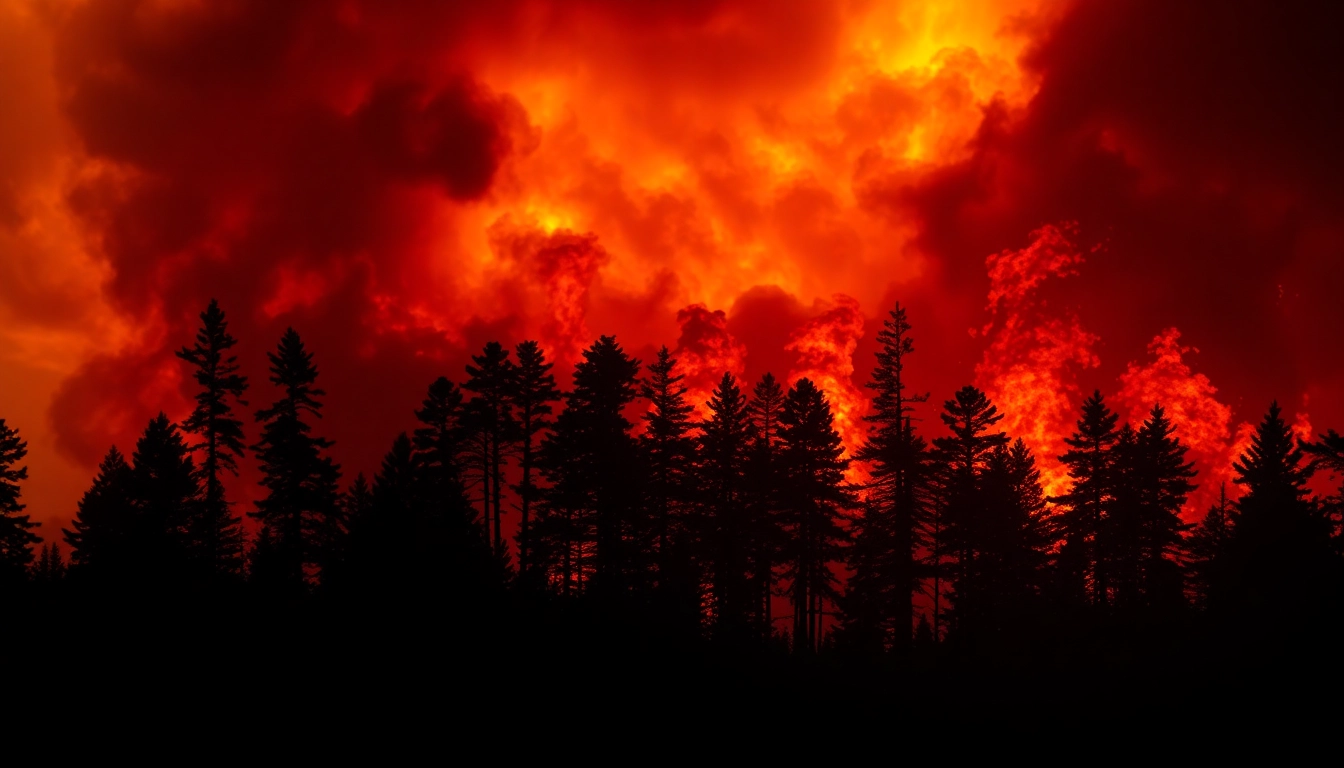
Wildfire events are uncontrollable fires that occur in wildland areas, often caused by natural forces such as lightning or human activities such as campfires and arson. These events can lead to devastating effects on the environment, human health, and local economies. Understanding the complexities of Wildfire events is crucial for effective prevention and mitigation strategies.
Defining Wildfire Events
A wildfire is typically characterized as a large, uncontrolled fire that spreads rapidly through vegetation, fueled by dry conditions. Depending on their scale, wildfires can be categorized into different types—such as brush fires, forest fires, and grass fires. Each type varies in behavior and impact, necessitating various suppression strategies to control their spread.
Common Causes and Triggers
Wildfires can ignite from various sources, including:
- Natural Causes: Lightning strikes and volcanic eruptions can ignite dry vegetation.
- Human Activities: Cigarettes, campfires, and fireworks are common culprits. Deliberate arson has also led to many devastating events.
- Accidental Ignition: Equipment malfunctions, electrical sparks, and even vehicular accidents in dry areas can also trigger wildfires.
The Role of Climate Change
Climate change is significantly influencing wildfire events. Rising temperatures, prolonged droughts, and changing precipitation patterns contribute to more frequent and severe wildfires. The conditions necessary for fire propagation are becoming more common, leading to increased frequency and intensity of wildfires worldwide. Studies show a direct correlation between higher temperatures and longer fire seasons, complicating the landscapes and ecosystems already stressed by climate change.
Recognizing the Impacts of Wildfire Events
Environmental Effects on Ecosystems
Wildfires can have both negative and positive impacts on the environment:
- Destruction of Habitat: Wildfires can completely devastate ecosystems, destroying habitats for countless species.
- Soil Degradation: The intense heat can damage the soil, leading to erosion and reduced fertility.
- Regeneration: In some cases, fire plays a beneficial role by clearing out dead material and promoting new growth.
Health Risks and Safety Concerns
Wildfires present several health risks to nearby populations. Smoke inhalation can lead to respiratory issues, exacerbating conditions such as asthma and bronchitis. Fine particulate matter released can travel miles from its source, affecting air quality even in areas not directly impacted by the fire. Therefore, understanding and mitigating these risks is paramount for communities.
Economic Consequences of Wildfire Events
The economic impact of wildfires stretches far beyond immediate firefighting costs. These can include:
- Property Damage: Homes and businesses can be completely destroyed, leading to significant financial losses.
- Infrastructure Costs: Damage to roads, power lines, and water services can require extensive repairs, becoming a financial burden on local governments.
- Insurance and Recovery Expenses: Heightened insurance premiums and long-term recovery costs also create economic strain for affected communities.
Strategies for Wildfire Events Preparedness
Community Awareness and Education
Effective preparedness begins at the community level. Educating the public about fire risks and prevention can drastically reduce the chances of wildfire initiation. Community workshops, social media initiatives, and outreach programs that emphasize safe practices regarding campfires and other activities go a long way in this effort.
Effective Fire Suppression Techniques
Firefighters employ various techniques to combat wildfires, including:
- Firebreaks: Creating barriers by removing vegetation to slow fire spread.
- Aerial Support: Utilizing helicopters and planes to drop water or fire retardant from the air.
- Controlled Burns: Conducting fires under controlled conditions to eliminate fuel and reduce future risks.
Planning and Emergency Response
Preparedness plans are essential for minimizing the impact of wildfires. Local governments and agencies should create and regularly update emergency response plans, involving community input and resources. Drills and simulations can help ensure readiness in the event of an actual wildfire.
Historical Wildfire Events: Lessons Learned
Case Study: The Peshtigo Fire
The Peshtigo Fire, which occurred in 1871, remains the deadliest wildfire in American history, with an estimated 1,500 deaths. This tragic event highlights the critical need for effective fire management policies and community preparedness to prevent such disasters from recurring.
Influential Wildfire Events Worldwide
Major wildfires across the globe, such as the 2019–2020 Australian bushfires, have underscored the global impacts of wildfire events. International cooperation and sharing of best practices for wildfire management can improve global preparedness against similar future events.
Adapting Policies Based on History
Analyzing past wildfire events can lead to valuable insights, allowing policymakers to implement changes in legislation and resource allocation. Building codes that mandate fire-resistant materials and landscape management policies can significantly reduce fire risks in vulnerable areas.
Contemporary Innovations in Wildfire Management
Technology and Monitoring Systems
Advancements in technology have transformed how wildfires are monitored and managed. Drones can survey large areas efficiently, detect heat signatures, and map fire spread. Coupled with satellite imagery and real-time data analytics, these technologies help responders allocate resources effectively.
Role of Government and Nonprofits
Government agencies and nonprofit organizations are often at the forefront of wildfire management. These entities provide resources, research funding, and community education. Collaborative initiatives can create comprehensive wildfire preparedness and response strategies that involve multiple stakeholders.
Future Directions in Wildfire Research
Wildfire research continues to evolve, with focuses on understanding fire behavior, ecological impacts, and the effectiveness of various suppression techniques. Investing in research can lead to innovative solutions that will enhance future wildfire management strategies.
Frequently Asked Questions
What is a wildfire event?
A wildfire event refers to an uncontrolled fire occurring in wildland areas, which can be ignited by natural causes or human activities. These fires can spread rapidly, impacting the environment and human safety.
How do climate change and wildfires relate?
Climate change exacerbates wildfire events by increasing temperatures and altering precipitation patterns, creating conditions that favor more frequent and intense fires.
What are the main risks of wildfires to human health?
Wildfires can lead to poor air quality, causing respiratory issues and other health complications due to smoke inhalation and fine particulate matter exposure.
What are some effective wildfire prevention strategies?
Effective strategies include community education, creating firebreaks, controlled burns, and developing comprehensive emergency response plans to prepare for wildfire events.
Why is historical data important for wildfire management?
Understanding historical wildfires provides valuable insights into fire behavior, impacts, and effective management strategies, guiding policy improvements for future preparedness.