
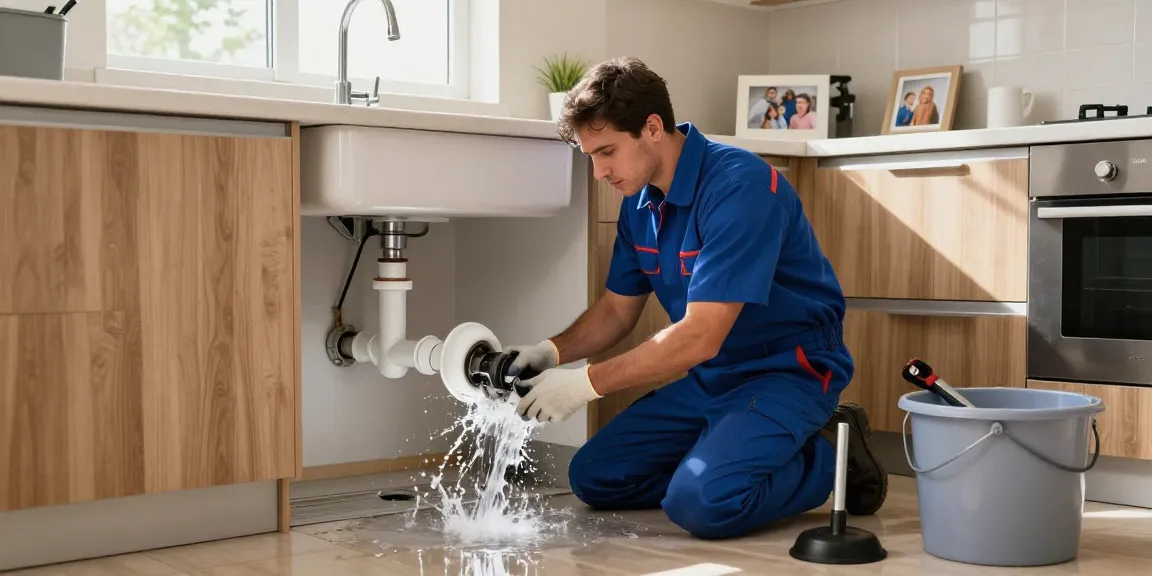
Understanding Emergency Plumbing Needs
Every homeowner has faced unexpected plumbing issues at some point, but recognizing when these problems escalate to an emergency is crucial. Emergency plumbing can vary from significant leaks and burst pipes to sewage backups and malfunctioning water heaters. Understanding the scope of emergency plumbing needs can save you from damage, costly repairs, and the stress of dealing with plumbing catastrophes. If you find yourself in a situation that requires immediate attention, you might want to click here for detailed support options.
What Constitutes a Plumbing Emergency?
A plumbing emergency is typically defined by the urgency of the situation. Common indicators include:
- Severe water leaks: Water gushing from pipes can lead to extensive damage.
- Clogged drains: When multiple drains are affected, it could indicate a serious blockage.
- Overflowing toilets: This not only causes water damage but also poses health risks.
- Gas leaks: Any sign of gas escaping is a critical emergency requiring immediate help.
Common Signs You Need Immediate Help
There are specific signs that you should watch for that indicate you need to call an emergency plumber:
- Water stains: If walls or ceilings show signs of staining, it may indicate hidden leaks.
- Odd noises: Sounds like gurgling or banging in pipes are warning signs of plumbing issues.
- Unpleasant odors: A sewage smell may indicate a serious clog or leak in your plumbing system.
The Importance of Quick Action in Plumbing
Responding quickly to plumbing emergencies can significantly reduce the risk of damage. Fast intervention helps to:
- Minimize water damage: Water can weaken structures and promote mold growth.
- Lower repair costs: Addressing issues early often results in less extensive repairs.
- Ensure safety: Many plumbing problems can lead to hazardous conditions, like mold or gas leaks.
Choosing the Right Emergency Plumber
Not all plumbers are equipped to handle emergencies, making it essential to choose wisely when selecting an emergency plumbing service. Factors to consider include their expertise, response times, and customer reviews.
Key Qualities to Look For in a Plumber
When searching for the right emergency plumber, consider the following attributes:
- Licensing and insurance: Ensure they are licensed to operate and covered by insurance.
- Experience: Look for plumbers with a proven track record in emergency situations.
- Availability: Choose a plumber who offers 24/7 services to ensure they can help when needed.
How to Evaluate Local Plumbing Services
Evaluating local plumbing services can often be done through the following methods:
- Online reviews: Websites like Google and Yelp provide insights into customer experiences.
- Recommendations: Ask friends, family, or neighbors for reliable plumber recommendations.
- Industry associations: Membership in professional organizations can be a sign of credibility.
Questions to Ask Before Hiring
Before hiring an emergency plumber, ensure you ask the following questions:
- What are their response times for emergencies?
- Are estimates free, and do they offer a guarantee on their work?
- What are their payment options and terms?
Preventative Measures to Avoid Emergencies
While emergencies can happen unexpectedly, there are measures you can put in place to reduce their frequency.
Routine Plumbing Maintenance Tips
Routine maintenance helps to catch minor issues before they develop into major problems. Here are some tips:
- Regular inspections: Schedule annual inspections to identify potential issues.
- Drain cleaning: Keep drains clear of debris to prevent clogs.
- Water softening systems: Consider a water softener to reduce mineral buildup in pipes.
Common Plumbing Issues and Their Solutions
Recognizing common plumbing issues can save you time and money. Common problems include:
- Leaky faucets: Often caused by worn washers; replacing them can resolve the issue.
- Running toilets: Usually due to a faulty flapper that needs replacing.
- Poor water pressure: This may be due to build-up in pipes or issues with the water supply.
Seasonal Plumbing Checks You Should Perform
Different seasons bring unique plumbing challenges. Here’s what to check:
- Winter: Insulate pipes to prevent freezing and bursting.
- Spring: Inspect for leaks after the thaw and check outdoor hose connections.
- Summer: Verify sump pumps are functioning properly before storms.
- Fall: Clean gutters and downspouts to avoid blockages that could affect plumbing.
Cost Implications of Emergency Plumbing Services
Understanding the cost aspects of emergency plumbing is essential for planning and budgeting.
Understanding Pricing Structures
Emergency plumbing services usually operate with different pricing structures, including:
- Flat rates: Many plumbers will provide a flat fee based on the type of service.
- Hourly rates: Some services charge by the hour, which can vary based on the time of day.
Factors Affecting Emergency Plumbing Costs
The overall cost of emergency plumbing can be influenced by several factors:
- Time of day: Late-night and holiday services often incur higher fees.
- Complexity of the problem: More complex issues will naturally increase the time and resources required.
- Location: Plumbers may charge more based on the geographical area served.
Using Insurance for Plumbing Emergencies
Insurance can often help cover the costs of plumbing emergencies. Check with your provider for:
- Policy coverage: Understand what types of plumbing issues are covered.
- Deductibles: Be aware of any deductibles that may apply.
Future Trends in Plumbing Services by 2026
The plumbing industry is evolving, and several trends set to shape the future of plumbing services include:
Innovations in Plumbing Technology
New technologies are emerging that can make plumbing more effective:
- Smart plumbing systems: These allow real-time monitoring of water usage and leak detection.
- Advanced pipe materials: Innovations in materials may improve durability and reduce corrosion.
The Rise of Eco-Friendly Plumbing Solutions
With a growing emphasis on sustainability, many plumbing services are adapting eco-friendly practices:
- Water-efficient fixtures: Installations that conserve water and reduce utility bills are gaining popularity.
- Recycled materials: Using reclaimed pipes and fixtures reduces waste and environmental impact.
Expected Changes in Emergency Response Times
As technology advances, we can expect shorter response times:
- GPS tracking: Enables quick dispatch of nearby plumbers for reduced wait times.
- Improved communication: Better coordination between customers and service providers leads to efficient service delivery.
What are the most common plumbing emergencies?
Common plumbing emergencies include burst pipes, overflowing toilets, and severe leaks. Recognizing these can prompt immediate action, avoiding extensive damage.
How can I prevent plumbing disasters at home?
Regular maintenance, proper insulation, and awareness of water pressure can significantly reduce plumbing disasters.
When should I call an emergency plumber?
Call an emergency plumber for severe leaks, sewage issues, or when you notice immediate risks to your property’s safety.
Are emergency plumbing services more expensive?
Yes, emergency plumbing services typically cost more due to the urgent nature of the work, availability outside regular hours, and complexity of the problems.
What should I do while waiting for the plumber?
Shut off the water supply if possible, clean up any spills, and take necessary safety precautions until the plumber arrives.
